



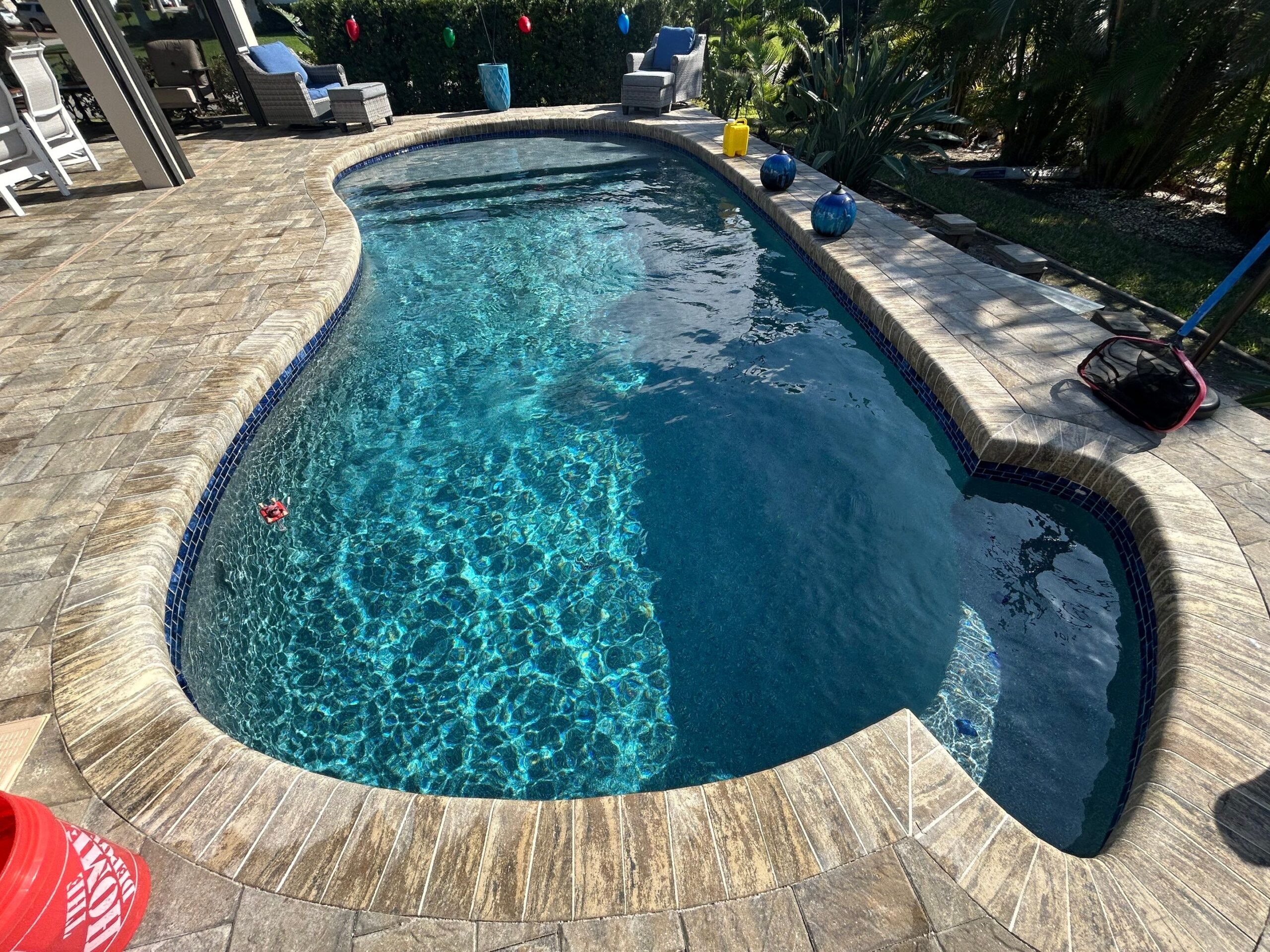
Pool Leak Repair and Restoration: What Homeowners Should Know Before Damage Gets Worse
Why Pool Leaks Deserve Immediate Attention
Pool restoration often begins with a problem that seems small at first. Maybe the water level keeps dropping faster than usual. Maybe the pump starts pulling in air. Maybe there is a damp area near the pool deck that never seems to dry.
At first, these signs may not feel urgent. Many homeowners assume water loss is caused by heat, evaporation, splashing, or normal use. But when water loss becomes consistent, it can point to a leak that needs professional attention.
Pool leak repairis one of the most important steps in protecting an aging or damaged pool. A leak can affect more than the waterline. It can impact the pool shell, surrounding soil, deck, coping, plumbing, and equipment. If left unresolved, a leak can turn a manageable repair into a larger structural pool repair or full pool restoration project.
At Resurrection Pools, we look at pool leaks as part of the bigger picture. Our goal is not only to stop water loss, but to understand what caused the problem, what damage may already exist, and what needs to happen to bring the pool back to lasting strength, function, and beauty.
How to Tell If Your Pool Has a Leak
Some water loss is normal, especially in warm climates where pools are exposed to sun, wind, and regular use. However, consistent or sudden water loss should not be ignored.
A pool may need professional pool leak repair if you are refilling it more often than usual, noticing wet areas around the deck, seeing cracks near the coping or skimmer, or hearing the pump struggle because air is entering the system. A higher water bill can also be a clue, especially if an automatic fill system is masking the amount of water being lost.
Other signs can be more subtle. The pool may lose water to a certain level and then stop. This can indicate that the leak is near a fitting, light, skimmer, or return line. You may also notice soil erosion, shifting deck areas, or loose tile near the waterline.
The earlier these signs are evaluated, the better. A leak that is found and repaired quickly is often easier to manage than one that has been quietly affecting the pool structure for months.
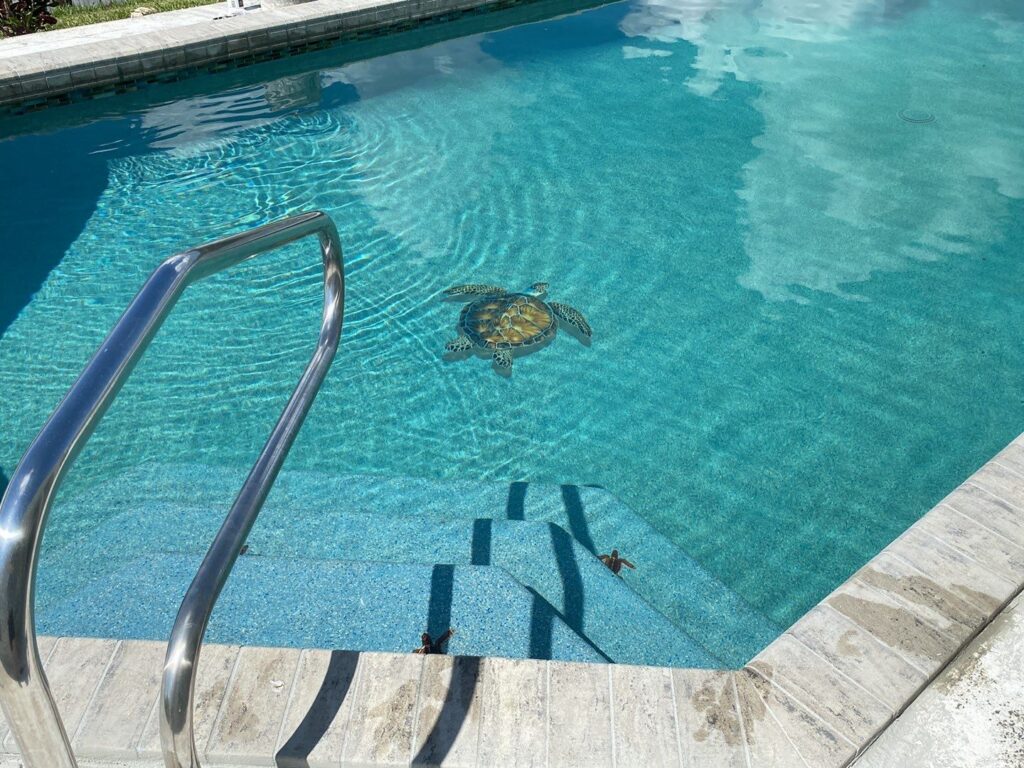
Common Causes of Pool Leaks
Pool leaks can come from several areas, and the right repair depends on accurately identifying the source. Guesswork can lead to repeated service calls, unnecessary repairs, and ongoing water loss.
Pool Skimmer Leaks
Pool skimmer leaks are one of the most common leak concerns in older pools. The skimmer is built into the pool wall and connects to the plumbing system, which means it sits at an important transition point between the shell, deck, and circulation system.
Over time, the skimmer area can crack, separate, or deteriorate. Movement in the surrounding materials, aging seals, or structural stress can create openings where water escapes. Homeowners may notice that the pool water drops to the skimmer level and then slows or stops. There may also be cracks around the skimmer throat, damp soil near the pool, or air bubbles returning through the jets.
Because the skimmer is connected to both the structure and plumbing, pool skimmer leaks should be inspected carefully. A quick surface patch may not be enough if the leak is connected to movement, damage, or failing materials around the pool edge.
Plumbing Line Leaks
Underground plumbing can also be a source of water loss. Return lines, suction lines, and other plumbing components move water between the pool and equipment system. If one of these lines cracks, separates, or deteriorates, water may escape underground before the homeowner can see the damage.
Plumbing leaks can sometimes contribute to soil erosion around the pool. Over time, this may lead to deck settling, hollow areas, or cracks near the pool’s edge. When that happens, pool leak repair may need to be paired with additional restoration work to stabilize the surrounding area.
Cracks in the Pool Shell
A crack in the pool shell can be cosmetic, but it can also point to a more serious problem. If water is escaping through the shell, the pool may need structural pool repair before resurfacing or cosmetic upgrades are completed.
Structural issues should always be evaluated professionally. The goal is to understand whether the crack is isolated, active, or connected to movement in the pool structure. Repairing the surface without addressing the cause can allow the problem to return.
Fittings, Lights, and Drains
Leaks can also develop around fittings, lights, drains, or return inlets. These components create openings in the pool structure, and the seals around them can wear down over time.
Even smaller leaks matter. Water escaping around a light niche or fitting can slowly damage surrounding materials. A professional inspection can help determine whether the issue requires a targeted repair or should be included in a larger pool restoration plan.
Why Pool Skimmer Leaks Can Lead to Bigger Problems
Pool skimmer leaks deserve special attention because of where they occur. The skimmer is not just a small pool component. It is part of the circulation system, part of the pool wall, and often located close to the deck and coping.
When water escapes near the skimmer, it can move into the surrounding soil. Over time, that moisture can weaken support around the pool edge or contribute to shifting materials. This may show up as cracking, settling, loose coping, or deck separation.
The challenge is that a skimmer leak may not look dramatic at first. The pool may simply lose water to a certain level. The pump may pull in air. A crack may appear near the skimmer opening. These signs can be easy to overlook, but they often deserve prompt attention.
Addressing pool skimmer leaks early helps protect the surrounding pool structure. It can also prevent a simple leak issue from becoming a larger restoration project involving the deck, coping, shell, or plumbing.
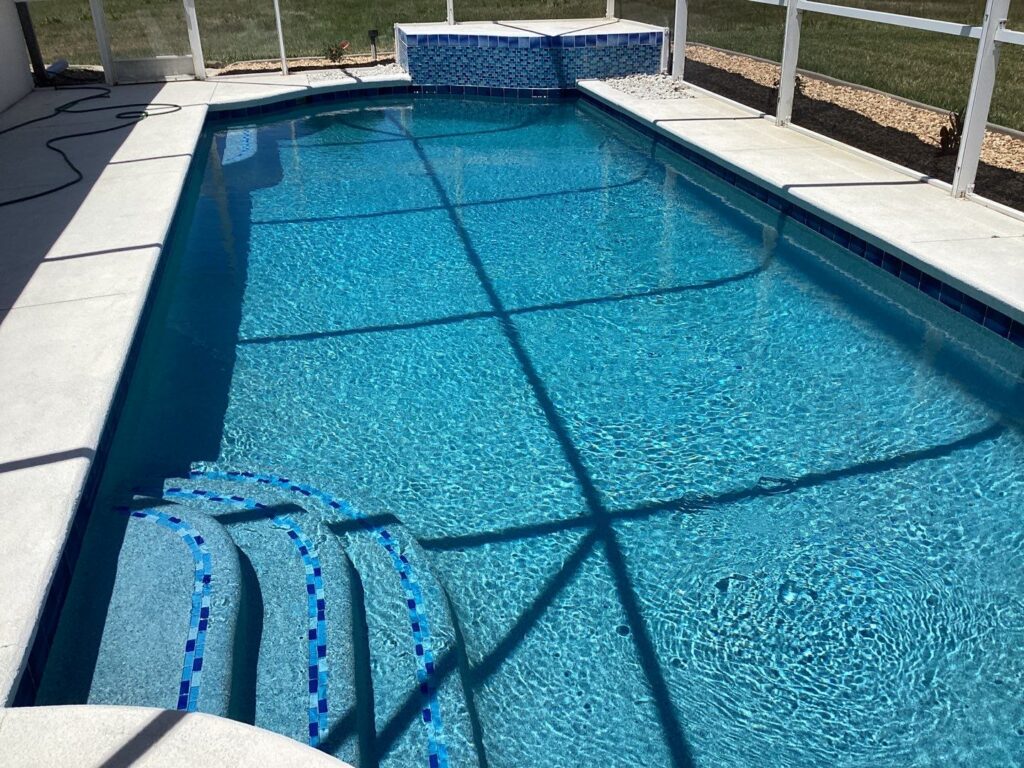
The Connection Between Pool Leaks and Structural Pool Repair
Pool leaks and structural pool repair are often connected. Water is powerful, especially when it escapes into areas that were not designed to stay wet.
When leaking water moves beneath the pool deck or around the pool shell, it can affect the surrounding soil. This may create voids, settling, or pressure changes that place stress on concrete, coping, and other materials. Over time, homeowners may notice cracks, uneven deck areas, loose tile, or separation between the pool and deck.
Structural pool repair may be needed when the pool shell, deck edge, coping, or supporting materials show signs of deeper damage. This type of repair is different from resurfacing. It focuses on the strength and stability of the pool, not just the appearance.
For homeowners, this distinction matters. A pool can look refreshed on the surface while still having unresolved issues beneath. A true restoration approach looks at both beauty and performance so the finished result lasts.
When a Leak Becomes an Emergency Pool Service Issue
Some leaks can be scheduled for inspection and repair. Others need faster action.
Emergency pool service may be necessary if the pool is losing water rapidly, if the water level drops below the skimmer or return lines, if the equipment begins running dry, or if sudden cracking appears around the pool or deck. Water pooling near the home, patio, or outdoor structures can also be a reason to seek immediate help.
Severe deck settling, sudden separation around coping, or a visible crack that appears to be worsening quickly should also be taken seriously. These issues can create safety concerns and may indicate that water is actively affecting the surrounding structure.
Emergency pool service helps stop the situation from getting worse. Even if the full repair requires a more detailed restoration plan, quick evaluation can help protect the pool, equipment, and surrounding property from additional damage.
What Happens During Professional Pool Leak Repair
Professional pool leak repair should begin with a careful evaluation. The goal is to determine where the water is escaping, why the leak developed, and whether the leak has created additional damage.
The process often starts with a discussion about what the homeowner has noticed. How quickly is the pool losing water? Does the water level stop dropping at a certain point? Are there wet spots, cracks, bubbles, equipment issues, or changes around the deck?
From there, the pool can be visually inspected. The team may review the skimmer area, fittings, lights, drains, plumbing lines, pool shell, coping, and deck. If needed, specialized leak detection methods may be used to isolate the source.
Once the leak is identified, the repair plan should be explained clearly. Some leaks can be repaired directly. Others may reveal additional issues that should be corrected as part of a larger pool restoration project.
Transparency matters throughout this process. Homeowners should understand what is being repaired, why it matters, and how the repair supports the long-term health of the pool.
When Pool Leak Repair Turns Into Pool Restoration
Not every leak requires a full restoration. Sometimes the repair is targeted and straightforward. But in older or heavily worn pools, a leak may be one symptom of a larger issue.
Pool leak repair can turn into pool restoration when the inspection reveals structural cracking, failing pool surfaces, loose coping, damaged tile, settled decking, outdated equipment, or recurring water loss from multiple areas. In those cases, repairing only the leak may not fully solve the problem.
A more complete restoration plan can address the pool as a connected system. That may include resurfacing, tile replacement, coping repair, deck resurfacing, structural pool repair, equipment upgrades, lighting, water features, or other improvements that restore both performance and appearance.
This is where Resurrection Pools’ restoration-focused approach is especially valuable. The company specializes in transforming deeply worn pools into functional, refreshed outdoor spaces, with a focus on lasting quality, premium materials, and a clear step-by-step process.
Why Patchwork Repairs Often Fall Short
Patchwork repairs may seem convenient in the moment, but they often fail to address the real cause of the problem. A small patch near the skimmer may not solve a leak caused by movement. A cosmetic resurfacing project may not last if the pool shell has unresolved cracks. Replacing tile may not fix the underlying water issue that caused materials to loosen in the first place.
Pools age as complete systems. The surface, shell, deck, coping, plumbing, and equipment all influence one another. When one area begins to fail, another may soon follow.
A full pool restoration approach helps homeowners avoid repeating the same repair cycle. Instead of chasing symptoms, the restoration process identifies the root concerns and creates a more durable path forward.
That does not mean every project has to be extensive. It means every project should be thoughtful. The right repair should match the actual condition of the pool.
How Restoration Protects Your Pool’s Long-Term Value
A pool is one of the most important features of a backyard. When it is clean, safe, and well-maintained, it becomes a place for connection, relaxation, and daily enjoyment. When it leaks, cracks, or falls into disrepair, it can become stressful and expensive to manage.
Pool restoration helps protect the value of the entire outdoor space. Repairing leaks can prevent further structural damage. Addressing cracks can improve safety and durability. Updating worn surfaces can make the pool feel inviting again. Upgrading equipment can improve performance and efficiency.
For homeowners planning to stay in their home, restoration improves everyday enjoyment. For those thinking about resale value, a restored pool can make the property feel more cared for and complete.
The greatest value comes from doing the work in the right order. Leak repair first. Structural repair when needed. Surface and design upgrades once the foundation is ready. This creates a pool area that looks better because it has been restored properly beneath the surface.
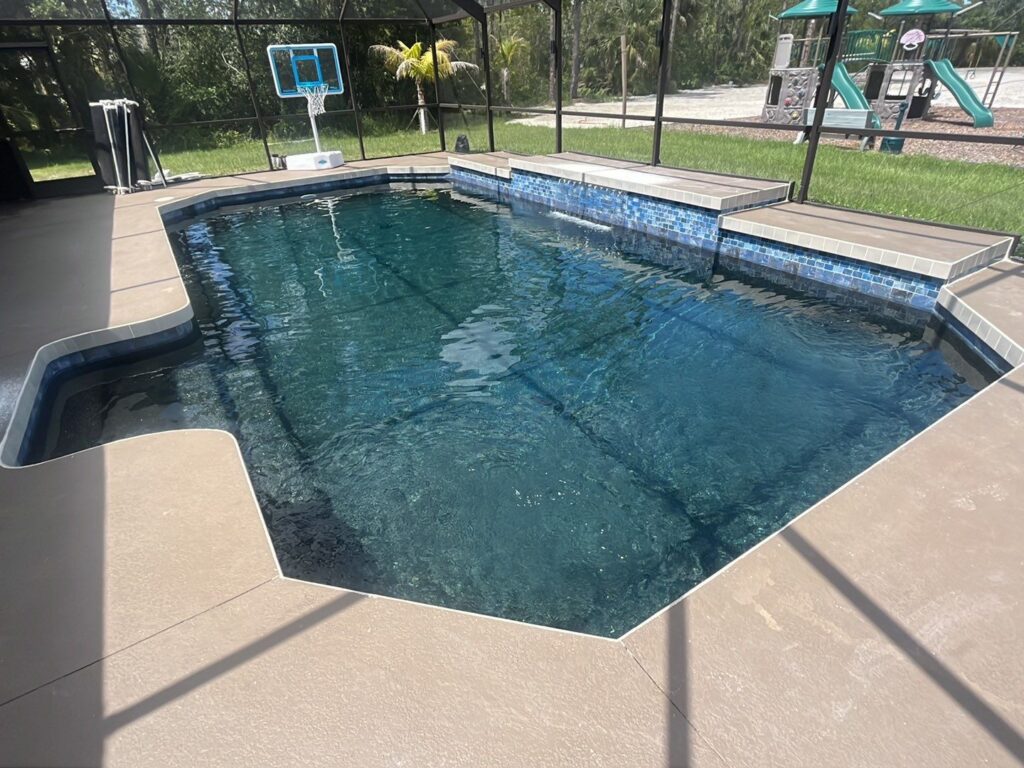
Local Considerations for Florida Pool Leak Repair
Florida pools face unique conditions. Heat, humidity, heavy rain, storms, and year-round use can all contribute to wear over time. In areas likePort Charlotteand the surrounding region, pools are exposed to moisture and sunlight almost every day of the year.
That constant exposure can accelerate surface fading, coating breakdown, sealant failure, and material movement. It can also make pool leak repair especially important. Water that escapes underground may move through already saturated soil, which can increase the risk of erosion, settling, or damage around the pool deck.
Florida homeownersshould look for restoration solutions designed for local conditions. That includes durable materials, proper sealing, careful preparation, and repair methods that account for heat, moisture, and long-term exposure.
A pool restoration plan should never focus on appearance alone. In this climate, lasting results depend on addressing water movement, structural integrity, and surface protection together.
Questions to Ask Before Scheduling Pool Leak Repair
Before scheduling pool leak repair, homeowners should feel comfortable asking questions. A professional team should be able to explain the process clearly and help you understand what the pool needs.
Ask how the leak will be located and whether the skimmer, plumbing, shell, fittings, and surrounding deck will be inspected. If the water level seems to drop to the skimmer area, ask whether pool skimmer leaks may be involved.
It is also helpful to ask whether there are signs of structural damage. If cracks, settling, or separation are present, structural pool repair may need to happen before resurfacing or cosmetic updates.
If the pool is losing water quickly or equipment is at risk, ask whether emergency pool service is appropriate. Fast action may help prevent damage from spreading.
Most importantly, ask how the repair fits into the long-term health of the pool. The right answer should give you confidence, not confusion.
Restore Confidence in Your Pool
A leaking pool can be frustrating, but it can also be an opportunity to protect and revive your backyard before damage gets worse. Pool leak repair helps stop water loss, but the best results come from understanding why the leak happened and whether the surrounding pool area needs additional attention.
Pool skimmer leaks, structural cracks, deck settling, loose coping, and equipment problems can all be connected. When these issues are evaluated together, homeowners can make smarter decisions and avoid short-term fixes that do not last.
At Resurrection Pools, we bring pools back to life through careful inspection, clear communication, and restoration-focused craftsmanship. Whether you need pool leak repair, help with pool skimmer leaks, structural pool repair, emergency pool service, or a full pool restoration plan, our team can help you take the right next step.
Schedule your free consultationtoday and start restoring confidence in your pool.