



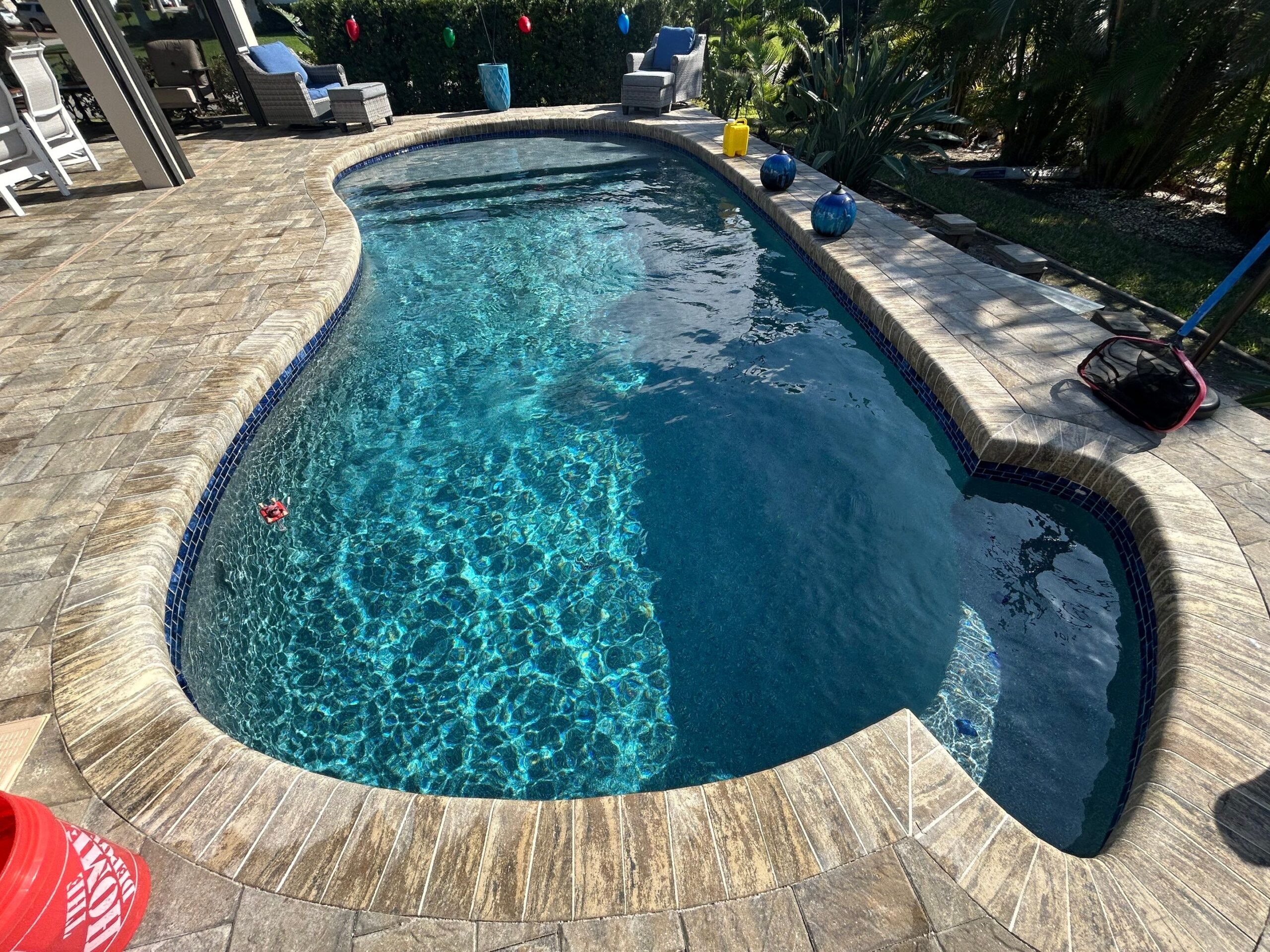
Pool Plaster Repair in Florida: 7 Signs Your Pool Is Telling You Something
Florida pools give homeowners plenty of visual and tactile cues when the plaster is beginning to fail. The challenge is knowing which signs point to pool plaster repair or full resurfacing now, and which are early indicators worth monitoring. Miss the window and what would have been a straightforward project can turn into something more involved.
Florida’s climate makes that window shorter than most pool owners expect. UV exposure, heat, heavy rainfall, and seasonal storms accelerate plaster deterioration faster than pools in other states experience. A surface that looked fine two seasons ago may already be past the point where more chemicals and more brushing will solve anything.
Here are the seven clearest signs that your Florida pool’s plaster is telling you it needs professional attention, and what each one actually means for your pool.
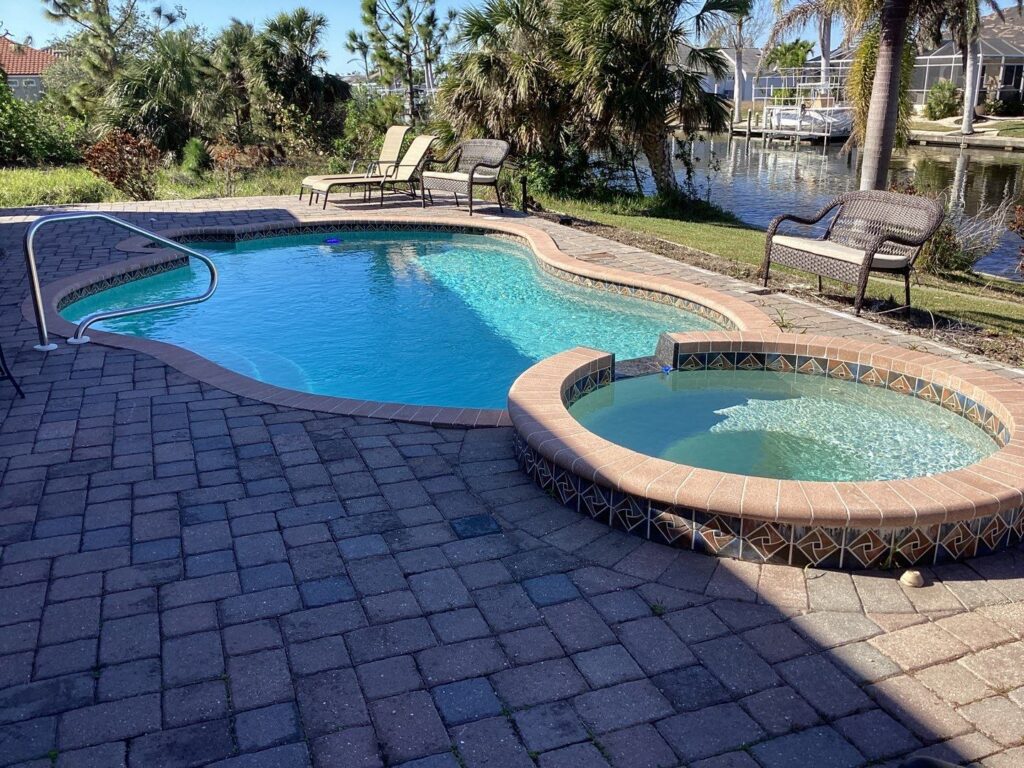
The 7 Signs Your Pool Plaster Needs Repair
1. The Surface Feels Rough or Abrasive
This is the most immediate and unmistakable indicator that pool plaster repair is overdue. If the pool surface feels sharp, sandpaper-rough, or uncomfortable against bare skin, the plaster aggregate has worn away and the calcium structure beneath is exposed.
A rough surface is not just a comfort problem. It signals that the plaster has deteriorated past its functional threshold. Rough, exposed plaster is harder to keep clean, harder to balance chemically, and provides ideal conditions for algae to anchor and grow back quickly after treatment.
2. Staining That Will Not Clear
Some surface discoloration responds to proper chemical treatment and brushing. Staining that persists despite shocking, pH balancing, and repeated brushing is a different problem entirely.
When plaster has worn to the point of significant porosity, minerals, metals, and organic compounds embed into the surface material itself. No amount of chemical product removes staining that has penetrated deteriorated plaster. If the discoloration survives multiple rounds of proper treatment, pool plaster repair is the solution, not a different product.
3. Visible Cracks or Chipping
Small hairline cracks can appear in any pool surface and are not always cause for immediate alarm. Widespread cracking, chipping along steps or edges, or cracks that appear to be growing are a different story.
Surface cracks that have developed across multiple areas signal that the plaster has lost the structural integrity it needs to perform. Patching individual spots is a short-term cosmetic response. The surrounding material is aging at the same rate, and new cracks will appear within a season or two. Full resurfacing addresses the whole surface rather than chasing individual problem areas.
4. Plaster Peeling or Delaminating
Delamination, where sections of the plaster surface visibly lift away from the pool shell, indicates that the bond between the plaster and the underlying substrate has failed. This is among the more advanced stages of pool plaster deterioration.
Delaminating plaster exposes the shell beneath to direct water contact, which accelerates structural stress over time. This is not a situation a spot patch resolves. Full resurfacing on a properly prepared substrate is the appropriate response when delamination is present.
5. Unexplained or Persistent Water Loss
Some water loss is expected from evaporation, splash-out, and backwash. Florida’s heat and sun make evaporation more significant than in cooler climates. But if the pool is losing water at a rate that exceeds what those factors account for, something else is at play.
Compromised plaster that has become excessively porous may be allowing water to seep through. More concerning, water loss can also point to underlying structural issues in the shell itself. Either way, the cause is worth diagnosing before the problem advances.
6. Algae That Returns Immediately After Treatment
Algae that comes back within days of a proper shock and treatment cycle is not a chemistry problem. It is almost always a plaster problem.
As plaster deteriorates, the surface becomes rough and increasingly porous, providing ideal conditions for algae to anchor and regrow. Brushing removes the visible surface bloom, but the roots remain embedded in the compromised plaster structure. Pool plaster repair or full resurfacing removes the environment algae is exploiting. Without it, the cycle of treatment and regrowth continues indefinitely regardless of how much product goes into the water.
7. The Surface Looks Faded, Dull, or Visibly Inconsistent
A pool surface that has gone from vibrant to dull, or that shows obvious color inconsistency and patchiness across different areas, has reached aesthetic end of life. In Florida’s UV environment, plaster fading happens faster than in cooler climates, particularly with standard white plaster finishes.
Aesthetic decline often accompanies the early stages of structural deterioration. A surface that looks faded and worn is also typically becoming rougher, more porous, and harder to maintain. Catching it at the cosmetic stage, before structural signs become severe, gives you more options and a more straightforward restoration project.
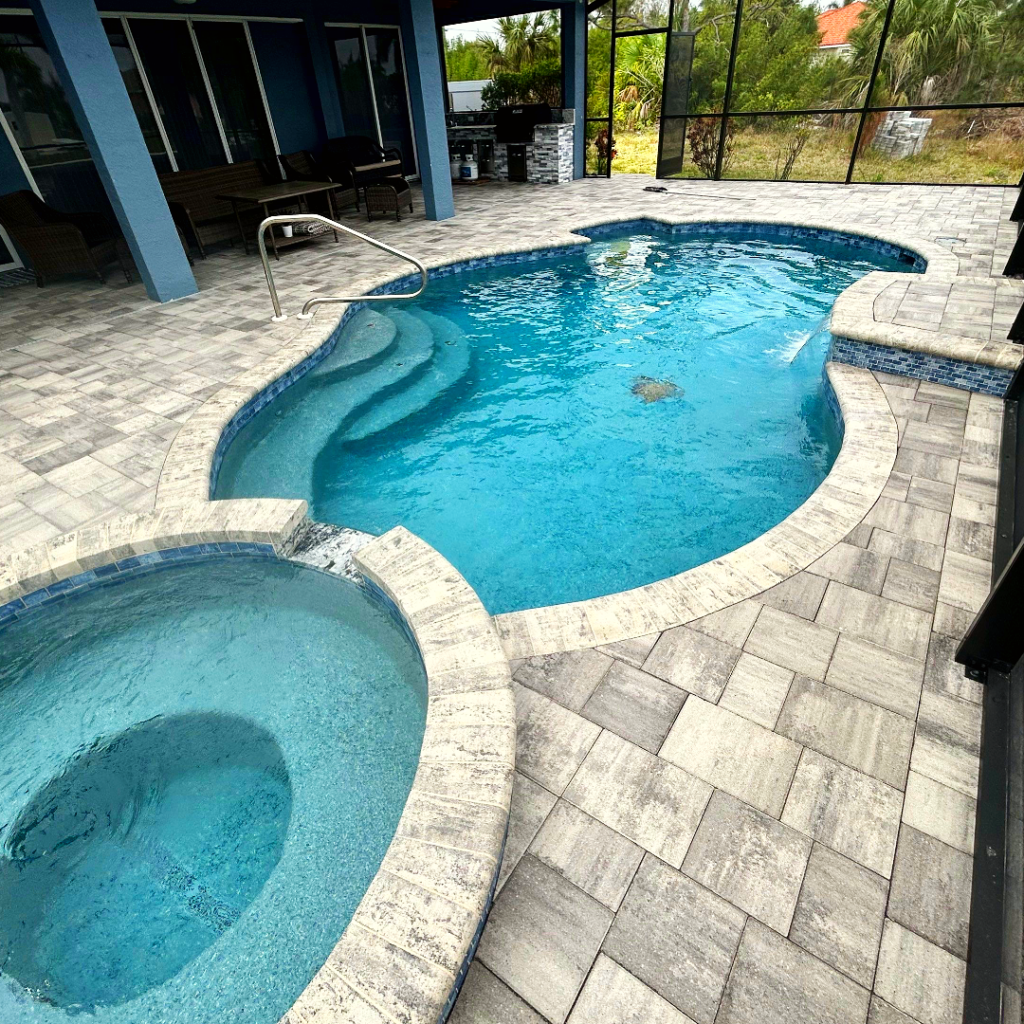
What to Do When You Spot These Signs
Not every sign on this list requires emergency action. But none of them should be left unaddressed indefinitely, particularly in Florida’s climate, where plaster deterioration moves quickly once it starts.
A professional assessment gives you a clear picture of where your surface actually stands. Some situations call for pool plaster repair on a relatively short timeline. Others may indicate that a full resurfacing or broader restoration scope is the right path. The important thing is not to let early indicators turn into advanced damage.
A rough surface that needed attention a year ago may now be leaking. A crack that looked cosmetic may have allowed moisture behind the shell. The gap between a straightforward resurfacing project and a more complex restoration grows the longer visible signs are left unaddressed.
Why Florida Pools Show These Signs Earlier
Pool plaster repair timelines in online guides are typically based on national averages across a wide range of climates. Florida is not average. The state’s sustained UV intensity, summer heat, heavy and frequent rainfall, and seasonal storm cycles create conditions that accelerate plaster wear significantly compared to pools in more temperate climates.
Standard plaster surfaces in Florida typically reach the end of life in 7 to 10 years. Knowing to watch for these signs earlier than general guidelines suggest, and acting on them before the damage advances, is one of the most practical ways Florida pool owners can manage long-term maintenance costs.
Your Pool Surface Is Telling You Something
If your Florida pool is showing one or more of these signs, a conversation with a restoration specialist is the right next step. Resurrection Pools works with homeowners across Port Charlotte, Tampa Bay, and surrounding Florida communities to assess pool plaster honestly and develop restoration plans that address what the pool actually needs, not just what is visible on the surface.
Contact Resurrection Pools to schedule your pool assessment and get a clear, honest picture of what your plaster needs and what a full restoration would involve.