


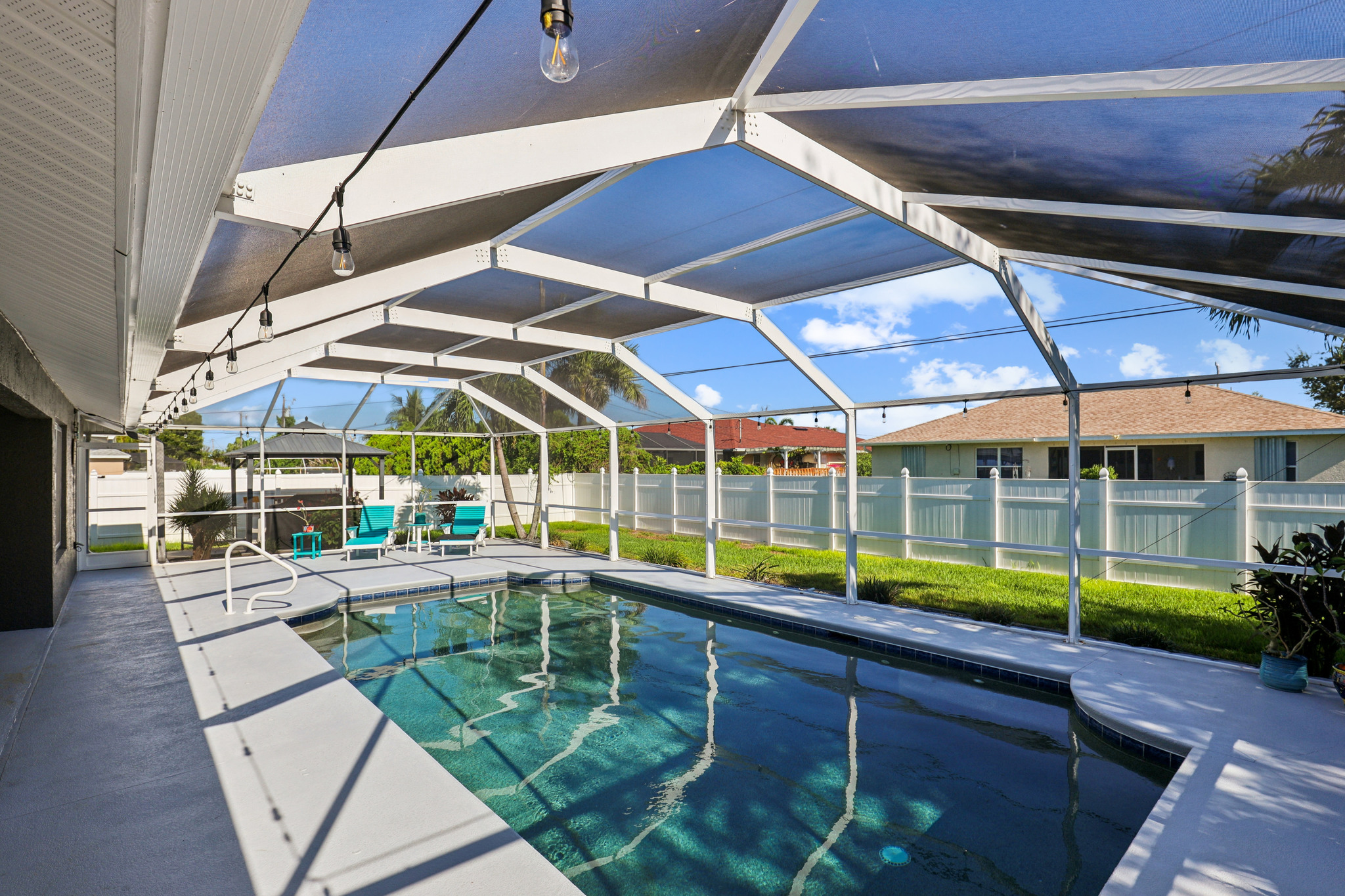
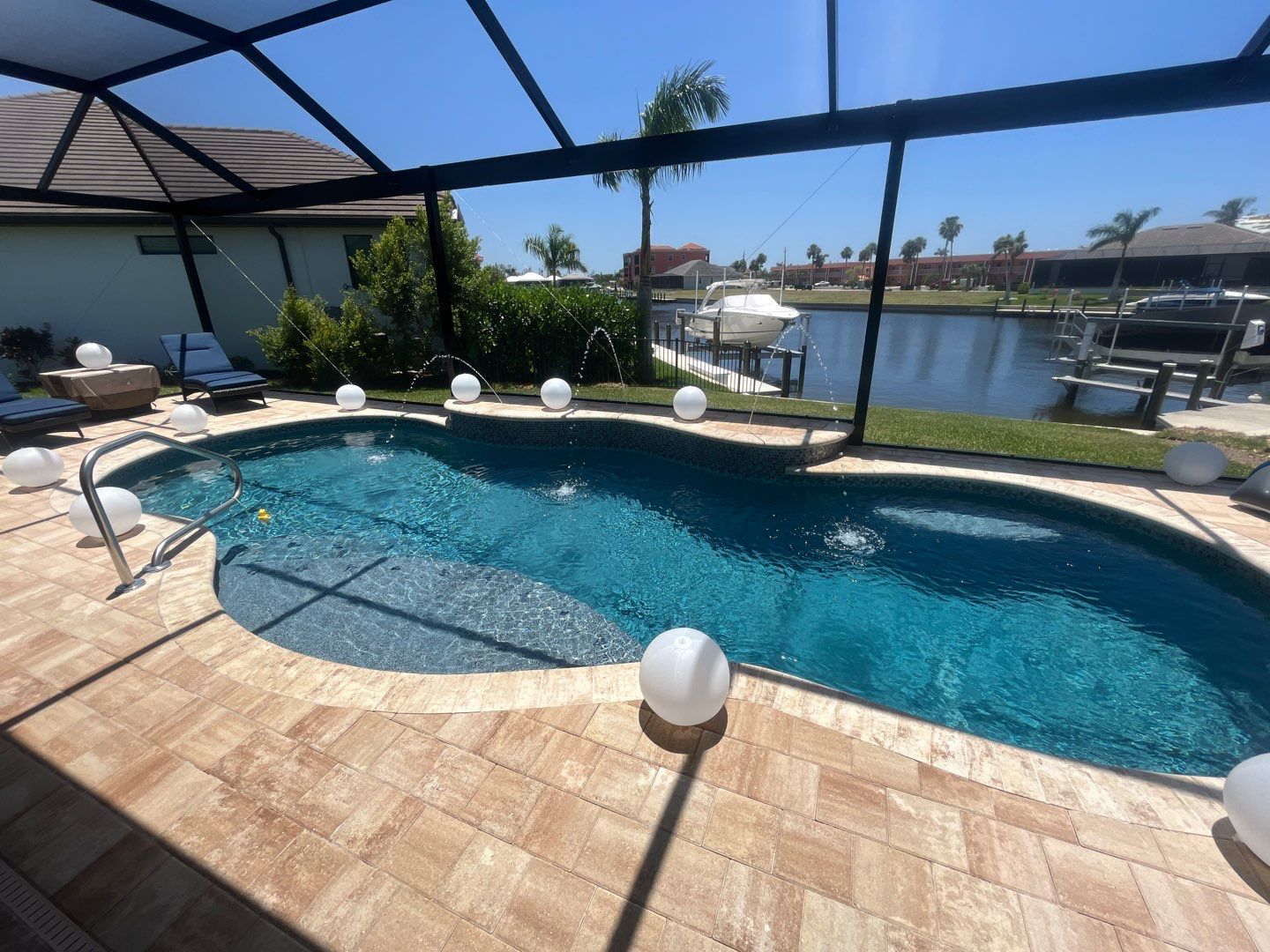
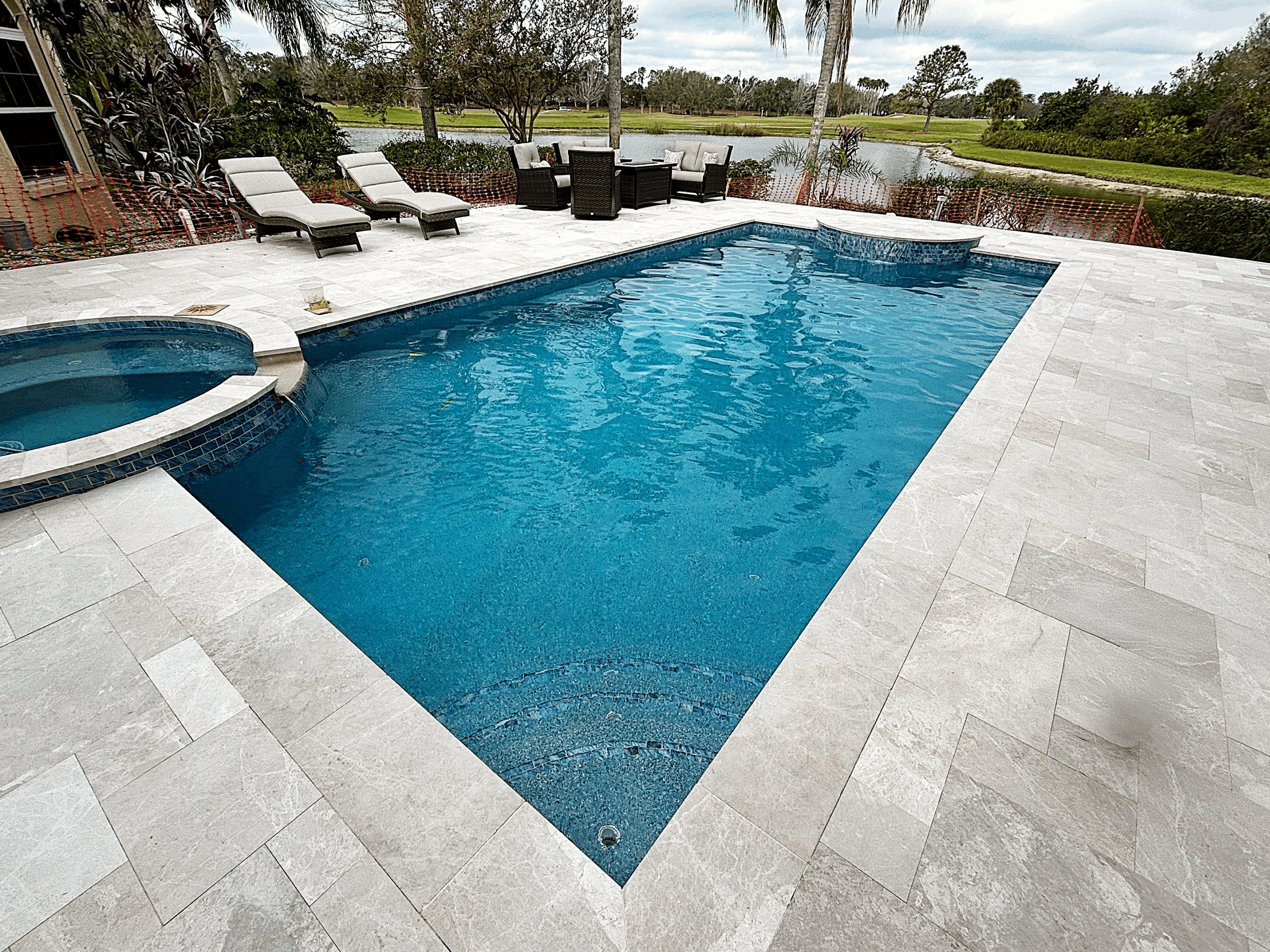

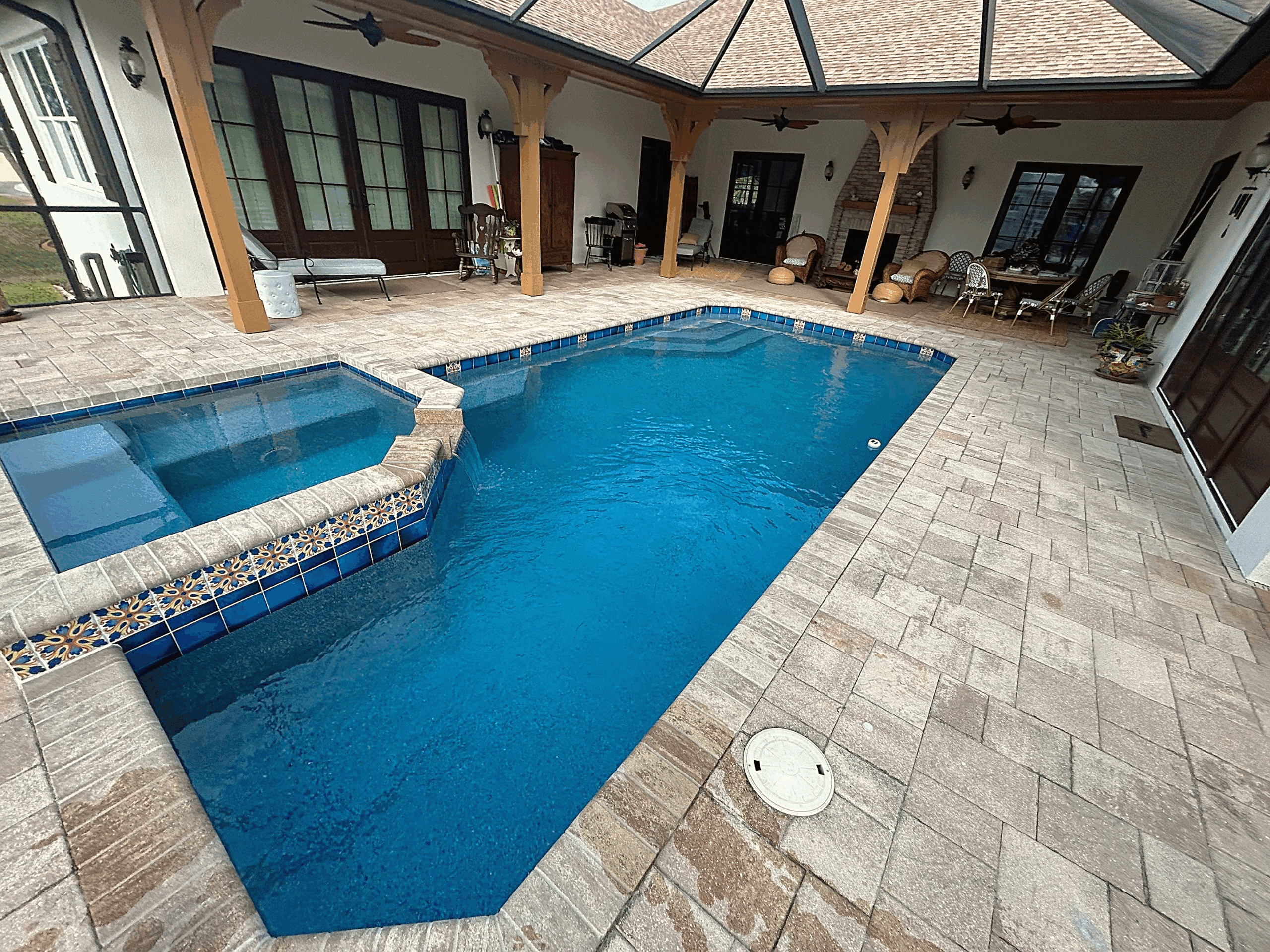
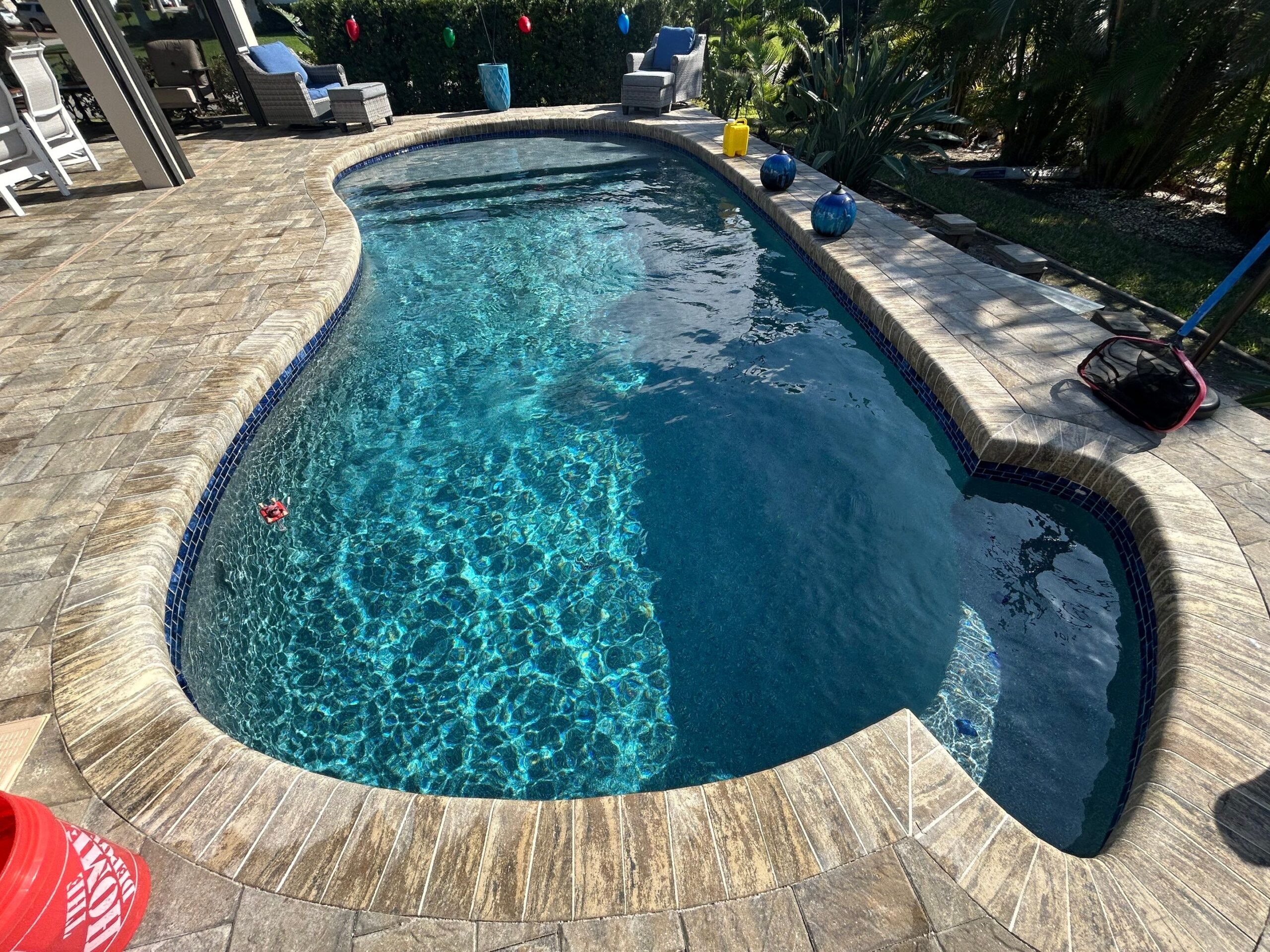
When Pool Deck Damage Points to a Bigger Pool Restoration Need
When Your Pool Deck Starts Telling a Bigger Story
Pool restoration often begins with something homeowners can see right away, a cracked deck, faded surface, loose coping, or an area that no longer feels safe underfoot. At first, these issues may seem like normal wear from sun, water, and years of use. But in many cases, visible deck damage can be the first sign that a pool needs a more complete evaluation.
A pool area works as one connected system. The deck, coping, tile, shell, plumbing, skimmers, and equipment all affect how the space performs over time. When one part begins to fail, it can place stress on the surrounding areas. A small crack in the deck may be cosmetic, or it may point to drainage problems, soil movement, pool leak repair needs, or structural concerns beneath the surface.
AtResurrection Pools, we specialize in bringing worn pools back to life through thoughtful, full-scale restoration. That means we do not simply cover up damage and move on. We look at the condition of the entire pool environment so homeowners can make informed decisions that protect the beauty, safety, and long-term value of their backyard.
Why Pool Deck Damage Should Not Be Ignored
A pool deck does more than frame the water. It supports the way people move around the pool, affects drainage, protects surrounding materials, and contributes to the overall safety of the backyard.
When a deck begins to crack, settle, stain, or separate from the pool edge, it can create more than an aesthetic problem. Water may begin moving into areas where it does not belong. Shifting concrete can affect coping. Drainage issues can worsen surface wear. In some cases, repeated water loss or moisture around the deck may also point to pool skimmer leaks or plumbing problems.
This is why professional evaluation matters. Resurfacing a pool deck can be a smart solution when the damage is mostly surface-level, but if the underlying issue is connected to leaks, structural movement, or failing pool components, restoration should address the source of the problem first.
A beautiful finish only lasts when the foundation beneath it is sound.
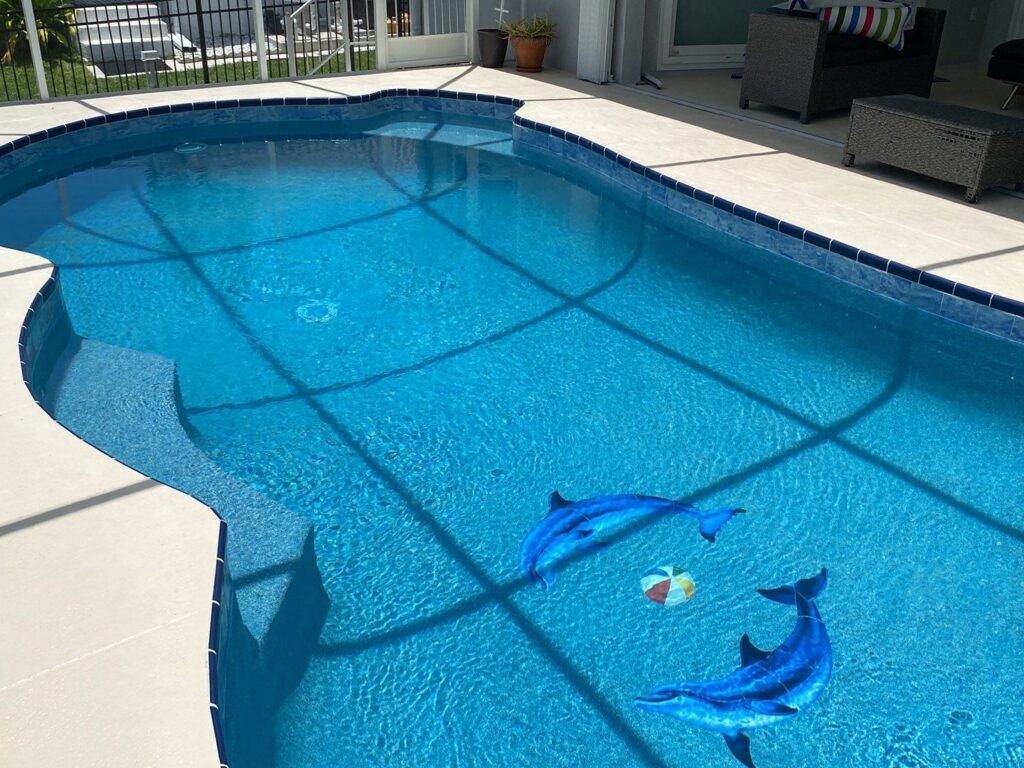
Signs Your Pool May Need More Than Deck Resurfacing
Not every worn pool deck requires a major restoration project. Some decks simply need cleaning, repair, and resurfacing. Others show symptoms that suggest a deeper issue. Knowing the difference can help homeowners avoid short-term fixes that fail too quickly.
Cracks That Continue to Spread
Small surface cracks are common in older pool decks, especially after years of exposure to heat, moisture, and everyday use. But cracks that continue to widen, spread, or appear near the coping may deserve closer attention.
These cracks can sometimes indicate movement beneath the deck, poor drainage, or pressure around the pool structure. If the pool shell, coping, or deck is shifting, structural pool repair may be needed before any resurfacing work begins.
Water Loss That Keeps Coming Back
If your pool is losing water faster than expected, the issue may not be evaporation. Persistent water loss can point to a leak in the plumbing, shell, fittings, or skimmer system.
Pool leak repairshould never be delayed, because water escaping underground can affect soil stability and contribute to deck settling or structural stress. If you are noticing wet areas around the pool deck, unexplained drops in water level, or recurring refill needs, it may be time to have the pool professionally inspected.
Pool Skimmer Leaks
Pool skimmer leaks are a common source of water loss, especially in older pools or pools where materials have shifted over time. The skimmer area connects the pool shell, plumbing, and deck environment, which means leaks here can cause problems beyond the waterline.
Signs of pool skimmer leaks may include water loss when the level reaches the skimmer, cracks around the skimmer throat, damp soil near the deck, or air entering the pump system. Because skimmer leaks can worsen surrounding damage, they should be addressed before deck resurfacing or cosmetic restoration is completed.
Uneven or Settled Deck Areas
A deck that feels uneven, slopes in the wrong direction, or holds standing water may be showing signs of movement below the surface. Settled areas can create trip hazards, drainage problems, and additional stress around the pool edge.
Before resurfacing, a professional team should determine why the deck has shifted. If water intrusion, soil erosion, or structural deterioration is contributing to the problem, those issues need to be resolved as part of the larger pool restoration plan.
Loose Coping, Tile, or Surface Separation
When coping stones become loose or tile begins to separate, it may be a sign that water, movement, or age has compromised the bond between materials. These details are more than decorative. They help protect the pool edge and create a finished transition between the deck and pool.
If coping, tile, and deck damage are happening together, a more complete restoration approach may be the better long-term solution.
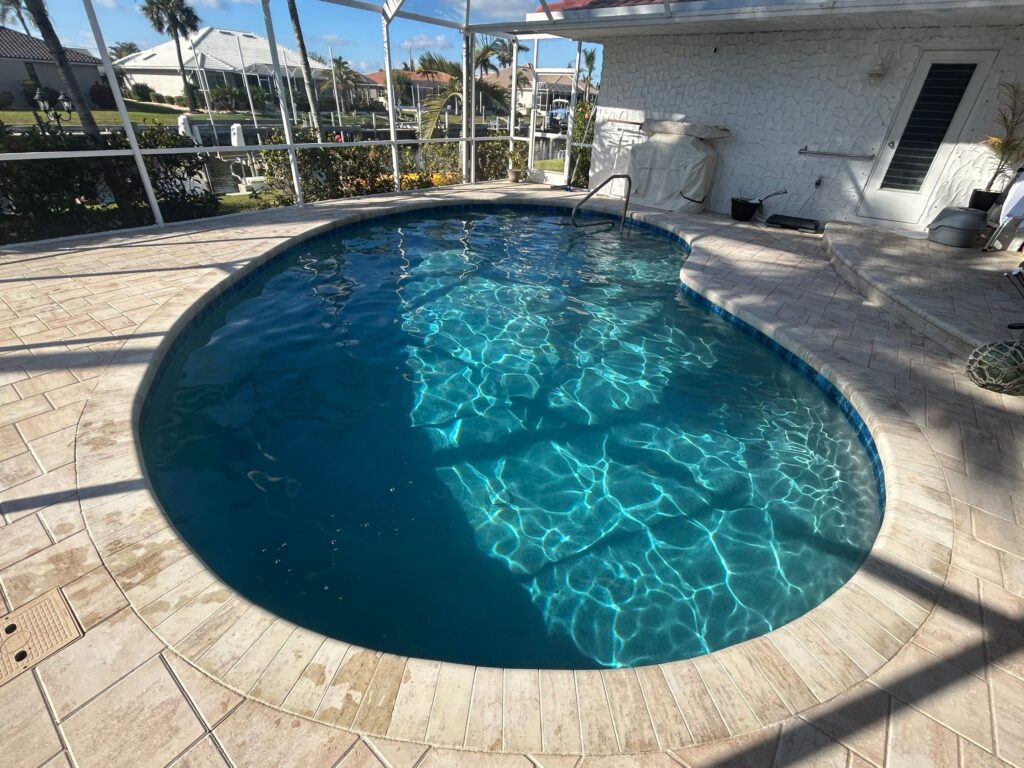
How Pool Leak Repair Fits Into Pool Restoration
Pool leak repair is one of the most important parts of protecting an aging pool. Even a small leak can create a chain reaction if left unresolved. Water may wash away supporting soil, damage nearby surfaces, affect equipment performance, or contribute to cracks and settling.
A proper restoration process should begin with understanding whether the pool is holding water as it should. If there is a leak, the source needs to be identified and repaired before new finishes are installed.
Common leak sources may include skimmers, return lines, main drains, pool lights, cracks in the pool shell, or deteriorated plumbing. The right repair depends on the location and severity of the leak. In some cases, the solution may be targeted. In others, leak repair may be part of a broader structural pool repair and resurfacing project.
For homeowners, this approach provides peace of mind. Instead of investing in surface upgrades while hidden problems continue underneath, the pool is restored from the inside out.
When Structural Pool Repair Becomes Necessary
Structural pool repair may be needed when the pool shell, surrounding deck, coping, or supporting areas show signs of deeper damage. This type of repair goes beyond improving appearance. It addresses the integrity and long-term performance of the pool.
Warning signs may include major cracking, visible separation between the deck and pool edge, hollow-sounding areas, recurring leaks, shifting coping, or cracks inside the pool surface. These problems should be evaluated by professionals who understand how pool structures respond to water, soil conditions, and years of use.
At Resurrection Pools, the goal is not to apply a temporary fix. The goal is to restore the pool in a way that supports safety, durability, and lasting beauty. That aligns with the company’s focus on full-scale restoration rather than patchwork repairs.
Structural repairs may include addressing cracks, reinforcing compromised areas, repairing leaks, correcting damage around skimmers or fittings, and preparing the pool for new surfaces, tile, coping, or deck finishes.
When to Call for Emergency Pool Service
Some pool issues can be planned around. Others need faster attention. Emergency pool service may be necessary when a problem creates immediate risk to the pool, property, or surrounding outdoor area.
Homeowners should seek prompt help if they notice sudden water loss, severe cracking, active leaks, equipment failure that affects circulation, major deck collapse or settling, or signs that water is damaging nearby structures. These situations can worsen quickly if ignored.
Emergency pool service is especially important when water is escaping rapidly. A sudden leak can affect the pool structure, surrounding soil, and pool equipment. Quick evaluation can help prevent a manageable repair from becoming a more expensive restoration project.
Even if the final repair requires a planned restoration process, the first step is stopping the damage from spreading.
Why a Full Pool Restoration Approach Creates Better Results
Aging pools rarely fail in just one place. A deck may crack because of water movement. Coping may loosen because the pool edge is deteriorating. A skimmer leak may contribute to soil erosion. A worn pool surface may hide cracks or weak spots that need attention.
That is why pool restoration is often more effective than handling every issue separately.
A full restoration approach looks at how all visible and hidden issues connect. It allows homeowners to repair what is failing, update what is outdated, and create a pool area that feels cohesive again. Instead of a resurfaced deck beside aging tile, or new coping around a pool that still leaks, the entire space can be revived with a clear plan.
This is especially important for homeowners who want their backyard to feel intentional, safe, and long-lasting. Restoration is not only about improving how the pool looks today. It is about helping the pool perform better for years to come.
What to Expect During a Professional Pool Restoration Evaluation
A professional restoration evaluation should be detailed, transparent, and focused on long-term results. Before recommending resurfacing, leak repair, or structural work, the team should understand the condition of the entire pool area.
The process may include reviewing visible deck damage, checking for cracks around the pool shell, inspecting coping and tile, evaluating the skimmer area, reviewing water loss concerns, and identifying whether structural pool repair is needed.
From there, the team can recommend the right sequence of work. Leak repair should usually happen before cosmetic upgrades. Structural concerns should be addressed before new finishes are applied. Deck resurfacing should be completed only after the underlying surface is stable and properly prepared.
This step-by-step process helps homeowners avoid surprises and gives them a clearer path toward a backyard that looks renewed and functions properly.
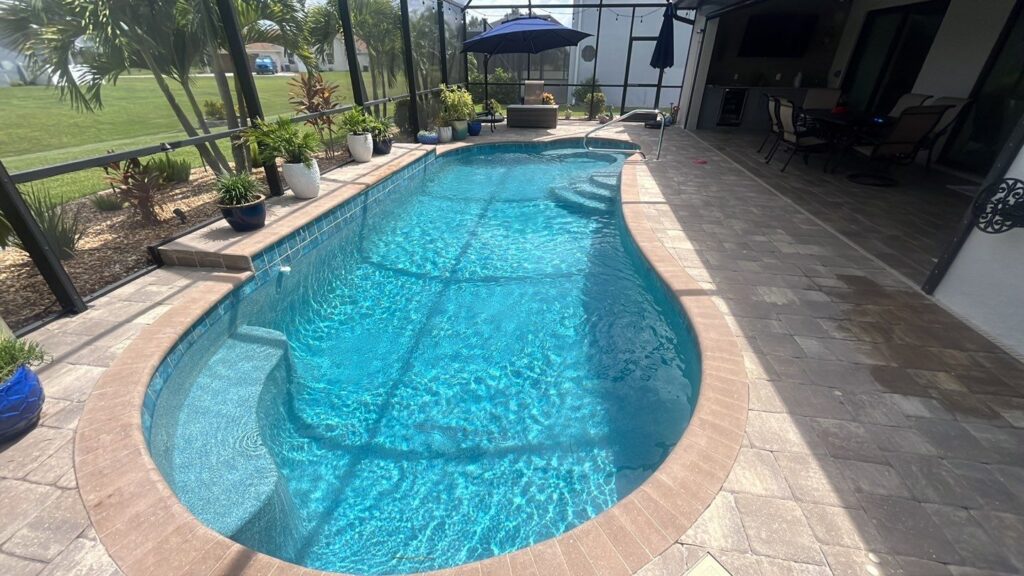
Pool Deck Resurfacing as Part of the Restoration Plan
Once leaks, structural concerns, and underlying damage have been addressed, pool deck resurfacing can become one of the most visible and rewarding parts of the restoration.
A resurfaced deck can improve traction, refresh faded or stained concrete, create a more comfortable walking surface, and bring the entire pool area together visually. Homeowners can choose finishes that complement the pool surface, coping, tile, and surrounding outdoor living space.
Depending on the project, resurfacing may include textured acrylic coatings, decorative concrete overlays, stone-inspired finishes, or other materials designed for poolside durability. The right finish should balance beauty, comfort, slip resistance, and long-term performance.
When included as part of a larger pool restoration, the deck becomes more than a refreshed surface. It becomes part of a fully revived backyard environment.
Local Considerations for Florida Pool Restoration
Florida pools face constant exposure to heat, humidity, sunlight, storms, and year-round use. In areas like Port Charlotteand the surrounding region, pools and decks rarely get a true break from the elements.
This climate can accelerate surface fading, coating failure, pool deck cracking, and material wear. It can also make pool leak repair especially important, because water movement beneath the deck or around the pool structure may worsen quickly in saturated soil conditions.
ForFlorida homeownersrestoration should prioritize durable materials, proper sealing, moisture-conscious repair methods, and careful preparation. Whether the issue involves pool skimmer leaks, deck resurfacing, structural pool repair, or equipment-related concerns, the solution should be built for the local environment.
A restoration plan that accounts for climate will always perform better than one that focuses only on appearance.
Questions to Ask Before Starting Pool Restoration
Before investing in pool restoration, homeowners should feel confident that they understand what is being repaired and why. A thoughtful consultation should help answer the most important questions.
Ask whether the visible deck damage is cosmetic or connected to a deeper problem. Find out if water loss may indicate the need for pool leak repair. Ask whether the skimmer, plumbing, coping, or pool shell should be inspected before resurfacing begins. If structural pool repair is recommended, make sure the reasoning is clearly explained.
It is also worth asking how each repair fits into the larger restoration plan. The best results come from addressing issues in the right order, not simply choosing the most visible upgrade first.
Bring Your Pool Back to Life With Confidence
A cracked or worn pool deck may be the first sign that your backyard needs attention, but it is not always the whole story. Pool skimmer leaks, recurring water loss, structural damage, loose coping, and uneven surfaces can all point to a larger need for pool restoration.
With the right team, those issues can be evaluated clearly and repaired with long-term performance in mind. Instead of chasing one temporary fix after another, homeowners can restore the pool area as a complete, functional, and beautiful outdoor space.
At Resurrection Pools, we bring pools back to life through careful inspection, quality materials, and craftsmanship-focused restoration. Whether you need pool leak repair, structural pool repair, emergency pool service, deck resurfacing, or a full backyard transformation, our team can help you understand the best next step.
Schedule your free consultationtoday and start restoring your pool with confidence.ay one and just as perfect a thousand days later.