



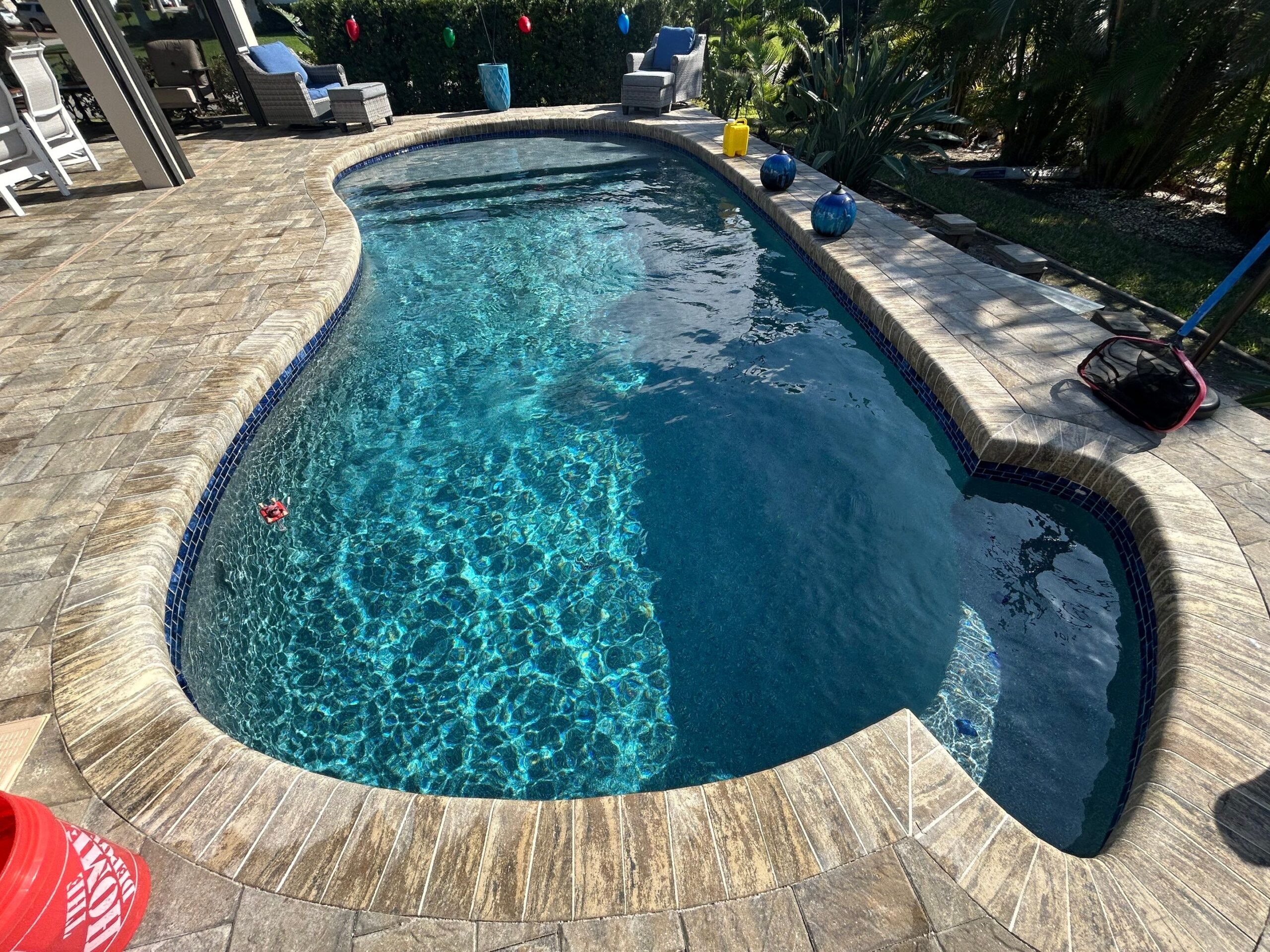
Pool Replastering in Port Charlotte: What Does It Actually Cost?
When a Port Charlotte pool owner starts noticing the surface going rough, the staining that will not brush off, or the plaster that is clearly past its best, the first practical question is almost always the same: what is this going to cost? It is a fair place to start. Pool replastering and resurfacing is a meaningful investment, and knowing the range before picking up the phone puts you in a much better position to evaluate your options.
The honest answer is that cost depends on several variables, the biggest being the surface material you choose. Port Charlotte pools face some of the most demanding environmental conditions in the country, and that context matters when you are weighing a lower upfront cost against how long a surface will actually hold up before needing attention again.
Here is a practical breakdown of what pool replastering and resurfacing typically costs in Port Charlotte, what drives the variation, and how to think about the investment relative to your pool and your plans.
What Pool Replastering Typically Costs in Port Charlotte
Pool replastering and resurfacing costs in Port Charlotte generally range from $4,000 to $18,000 or more depending on the surface material and project scope. The three main material tiers each carry a different price range and a different expected lifespan in Florida’s climate.
Standard White Plaster
White plaster is the most common and most affordable surface. For a standard inground pool in Port Charlotte, pool replastering with white plaster typically ranges from $4,000 to $8,000. Pools at the lower end tend to be smaller with minimal prep work required. Pools with existing damage, significant staining, or surface delamination require more preparation and sit toward the higher end.
Plaster is the most accessible entry point, but it carries the shortest lifespan in Florida’s climate, generally 7 to 10 years before the surface needs to be addressed again. For homeowners planning to sell in the near term or working within a tighter budget, plaster can be a practical choice. For long-term ownership, the full cost picture over time often looks different.
Quartz Aggregate Finishes
Quartz aggregate finishes are denser, more durable, and more refined in appearance than standard plaster. For a Port Charlotte pool, quartz resurfacing typically ranges from $7,000 to $13,000. The higher cost reflects material quality and the additional labor involved in proper application.
A well-maintained quartz surface in Port Charlotte can realistically last 12 to 15 years, nearly double the lifespan of plaster. For homeowners who plan to stay in their home and want a finish that performs well under Florida’s UV, heat, and chemical demands, quartz often represents the best balance between upfront investment and long-term value.
Pebble and Polished Aggregate Finishes
Pebble-style and polished aggregate finishes, including options like Wet Edge and Stonescapes, represent the premium tier available. For a Port Charlotte pool, these finishes typically range from $10,000 to $18,000 or more depending on pool size, shape, and design selections.
These materials earn their price point. They are the most durable option available, with a lifespan of 15 to 20 years in Florida conditions when properly maintained. For homeowners who want a pool replastering project done right once and not revisited for a long time, premium aggregate is the investment that makes that possible.
What Affects the Final Price
The ranges above reflect surface work on a standard inground pool. Several factors can move the final number in either direction.
- Pool size and shape: Larger pools and complex freeform designs require more material and more labor. Straightforward rectangular pools are the most cost-efficient to resurface.
- Surface condition: Pools with significant cracking, delamination, calcium buildup, or staining require more preparation before the new surface can go in. That prep work adds to the total.
- Additional scope: Resurfacing is often done alongside tile replacement, coping work, or deck resurfacing. Each of those is a separate scope item with its own cost.
- Equipment upgrades: If the project includes pump, filter, heater, or automation work, those are added separately from the surface cost.
- Access and site conditions: Pools with limited contractor access or complex yard configurations may require additional labor.
Understanding which of these applies to your pool helps you approach an estimate with clear expectations rather than surprises.
How Florida’s Climate Factors into the Investment
Port Charlotte’s climate is one of the most demanding environments for pool surfaces in the country. Sustained UV exposure bleaches and oxidizes plaster. Summer heat drives water temperature spikes that stress the chemical balance protecting the surface. Heavy seasonal rainfall dilutes pool chemistry repeatedly, and when chemistry drifts, the surface pays for it.
This context changes the math on material selection. A plaster surface that might last 12 years in a northern climate may need attention again in 7 to 10 years in Port Charlotte. A quartz finish that costs more upfront may not require attention again for 12 to 15 years. A pebble aggregate finish may carry you 15 to 20 years.
Running those numbers over a 20-year ownership period often reveals that the least expensive surface material upfront is not the least expensive over time. That calculation is worth making before committing.
When Pool Replastering Makes Financial Sense
Replastering is almost always more cost-effective than pool replacement when the shell itself is structurally sound. If the surface is rough, stained, cracking, or causing ongoing chemistry management problems, those issues will not resolve on their own and will not improve with more chemicals.
If you are planning to sell your home in the next few years, a freshly resurfaced pool is a genuine selling point in the Port Charlotte market. A pool that looks and functions well supports overall property value in a way that a worn or rough surface cannot.
Where replastering alone may not be sufficient is when structural problems, significant leaks, or major tile and coping failures are also present. In those situations, addressing the surface without addressing the underlying issues means returning to the same problems sooner. A full restoration scope, covering surface, structural, and cosmetic elements together, typically delivers better value.
What Full Restoration Includes vs. Surface-Only Replastering
Pool replastering covers the interior surface. Full restoration addresses everything the pool needs, assessed and corrected together in a single project scope.
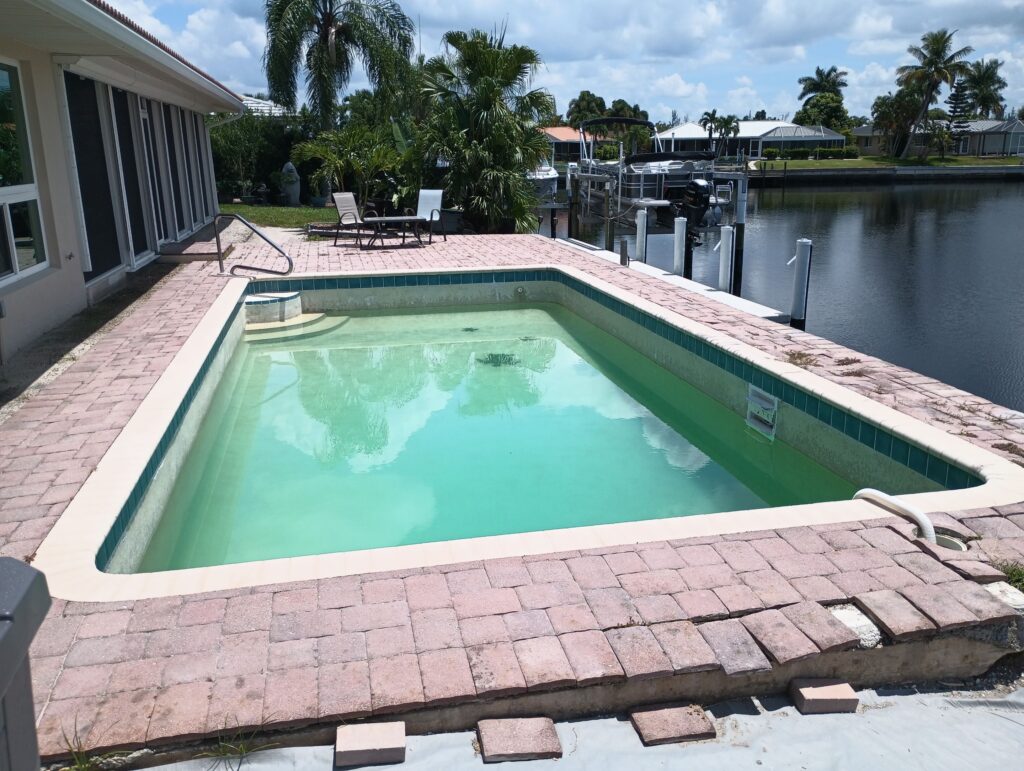
At Resurrection Pools, every project is approached as a full restoration. That means the pool is evaluated completely before any surface work begins, not just patched where it looks worst. If coping is failing, if tiles are lifting, if there are leaks or equipment issues, those are identified and addressed as part of the project rather than discovered later as separate problems.
For Port Charlotte homeowners, that approach means the pool comes back looking and performing the way it should, not just cosmetically better on top of unresolved issues. It is the difference between a pool that holds up for 15 years and one that looks fine for a season before the next issue surfaces.
Know What Your Pool Needs Before You Commit
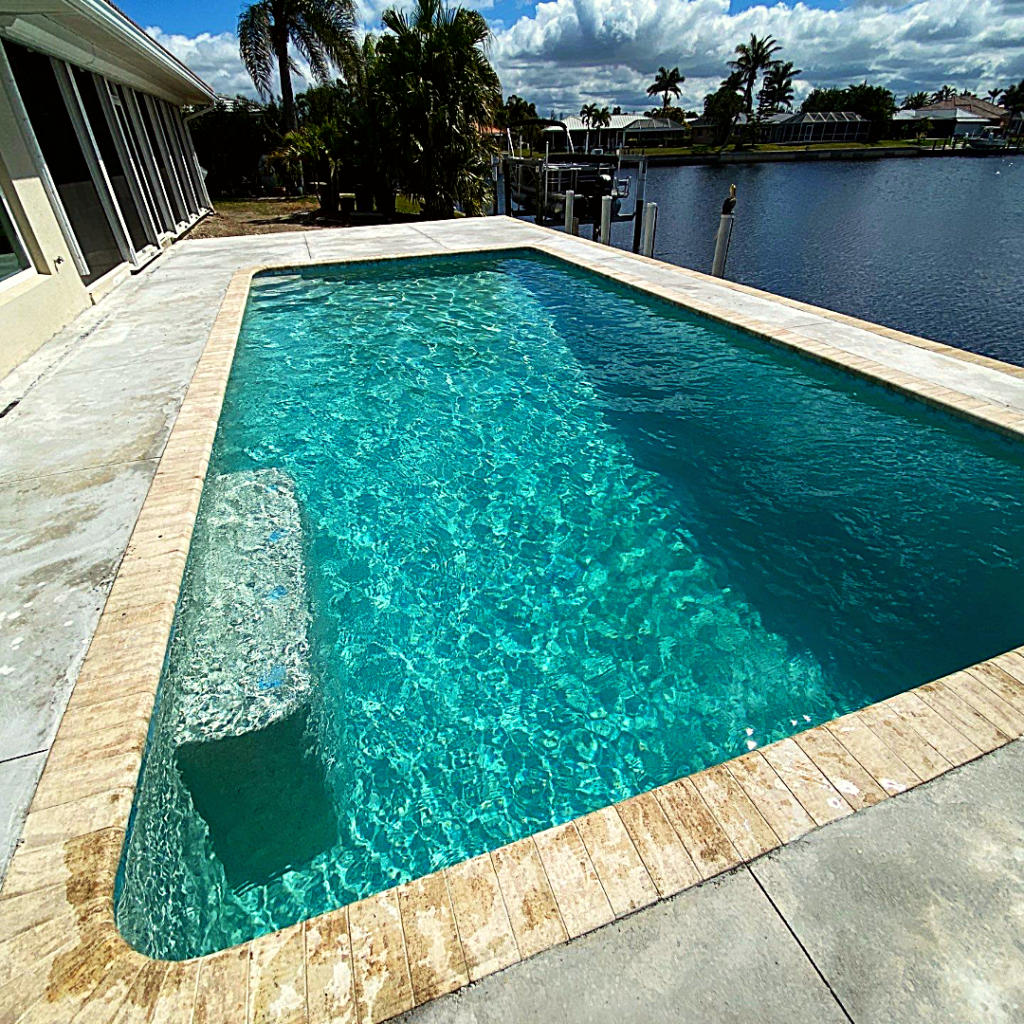
Cost ranges are a useful starting point, but the actual number for your pool depends on what it specifically needs. Surface material, pool size, existing condition, and any additional scope items all factor into a real estimate. The best way to know what pool replastering will cost for your Port Charlotte pool is a direct assessment from a restoration specialist who can evaluate the full picture.
Frequently Asked Questions
How much does pool replastering cost in Port Charlotte?
Pool replastering with white plaster in Port Charlotte typically ranges from $4,000 to $8,000. Quartz aggregate finishes run $7,000 to $13,000. Premium pebble finishes range from $10,000 to $18,000 or more. Final costs depend on pool size, surface condition, and any additional scope such as tile, coping, or deck work.
What is the most affordable pool replastering option?
Standard white plaster carries the lowest upfront cost, typically $4,000 to $8,000 for a Port Charlotte pool. However, plaster also has the shortest lifespan in Florida’s climate at roughly 7 to 10 years. For long-term ownership, higher-grade materials often deliver better overall value per year of use.
Is pool replastering worth the investment?
For a structurally sound pool with a worn or deteriorated surface, replastering is almost always more cost-effective than replacement. It restores appearance, improves water chemistry management, and extends the functional life of the pool by another decade or more depending on the material chosen.
If your Port Charlotte pool is ready for a fresh start, the next step is a direct conversation about what it actually needs.
Schedule a restoration estimate with Resurrection Pools to get a clear, honest breakdown of your pool replastering options and what it will cost to bring it fully back to life.