



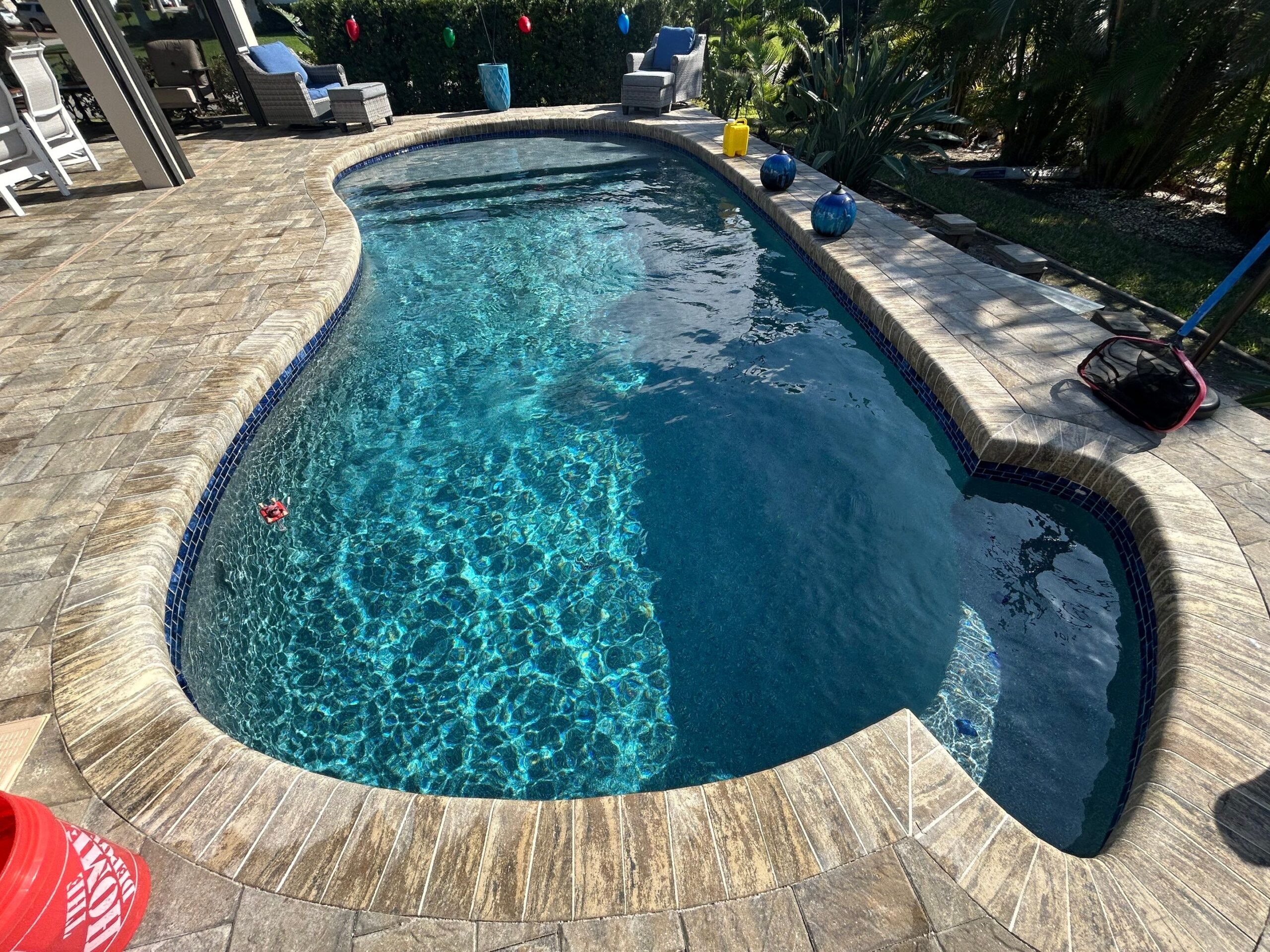
Swimming Pool Resurfacing Without Draining: Is It Actually Possible?
It is one of the most common questions homeowners ask before starting a swimming pool resurfacing project. The pool clearly needs attention, but the idea of draining it, putting it out of commission for a couple of weeks, and managing the refill process feels like a significant disruption. Is there a way around it?
It is a reasonable thing to want to know. Florida pool owners use their pools year-round, and any extended downtime is genuinely inconvenient. But the answer matters, because the way a swimming pool resurfacing project is handled has a direct impact on how long the results last and whether the investment holds up.
Here is a clear explanation of why draining is part of the process, what that process actually looks like for a Florida pool, and what homeowners in Port Charlotte and Tampa Bay should expect from start to finish.
The Short Answer
Standard swimming pool resurfacing requires draining the pool. The surface material cannot be applied properly, or durably, with water present. Any approach that claims to deliver a lasting resurfacing result on a pool that has not been fully drained should be treated with significant skepticism.
This is not a preference or a contractor convenience. It is a material science reality. Proper adhesion, full surface preparation, and correct curing all depend on dry conditions and unobstructed access to the entire shell. None of those requirements can be met on a pool that still has water in it.
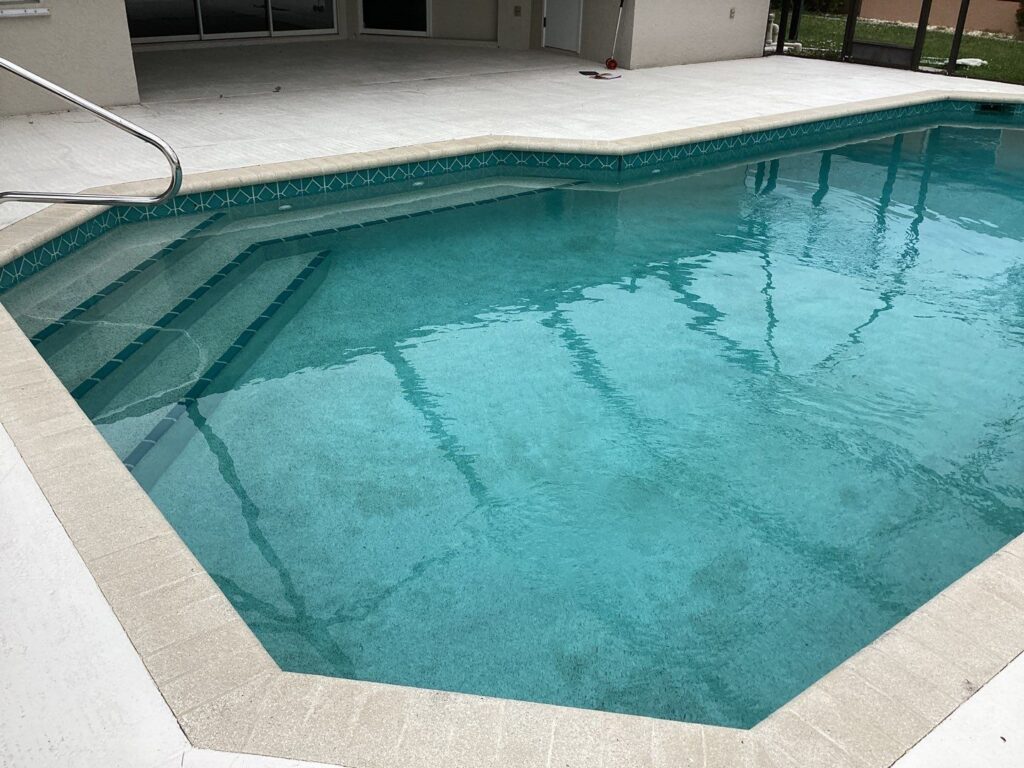
Why Swimming Pool Resurfacing Requires a Drained Pool
The process of resurfacing begins long before the new surface material goes in. The existing surface must be removed, the shell must be inspected for any structural issues, and the substrate must be cleaned, repaired where needed, and properly prepared to accept the new material.
All of that work requires direct access to the entire shell surface. Cracks need to be addressed. Old plaster or aggregate needs to be chipped away. The surface may need to be acid washed or sandblasted to ensure proper adhesion. None of this is possible with water in the pool.
Once preparation is complete and the new surface goes in, curing is equally critical. Plaster and aggregate surfaces cure through a specific process that requires carefully controlled moisture introduction after application, not the uncontrolled immersion of a filled pool. A surface applied over wet conditions or improperly cured will fail prematurely, sometimes within a single season.
What the Full Process Actually Looks Like
The timeline from drain to swim-ready for a swimming pool resurfacing project in Florida typically ranges from 10 to 21 days. The variation reflects differences in surface material, project scope, and weather conditions during the work.
The pool is drained completely, which typically takes one to two days. The shell is then inspected and any structural issues, cracks, or problem areas are addressed before surface work begins. The old surface material is removed, the substrate is cleaned and prepared, and the new surface is applied. A curing period follows before the pool can be refilled. Once refilled, water chemistry must be carefully balanced before the pool is ready for use again.
Each stage matters. Skipping or rushing any part of the process, particularly preparation and curing, compromises the durability of the finished surface. The timeline exists because the material requires it.
Florida-Specific Considerations During the Drain
Draining a pool in Florida requires more planning than in most other states. The conditions here, particularly in areas like Port Charlotte and throughout Southwest Florida, create risks that homeowners in other climates simply do not face.
Florida’s sandy, moisture-heavy soils generate hydrostatic pressure. When the water table is high, the pressure from saturated soil surrounding an empty pool can lift or crack the shell. This risk is greatest during or immediately after heavy rainfall. An experienced Florida restoration contractor knows how to assess and manage this risk, using hydrostatic relief valves or timing the drain appropriately to reduce exposure.
Florida’s heat also plays a role during application and curing. High temperatures accelerate the drying process for plaster and aggregate finishes, and too-rapid drying can affect the quality of the finished surface. Reputable contractors working in Florida’s climate account for this in how they apply, protect, and introduce moisture to the curing surface. Local experience matters in swimming pool resurfacing precisely because these conditions are real and consequential.
What Happens If You Try to Patch Without Draining
There is a difference between a full swimming pool resurfacing project and a spot patch repair. Some contractors will offer to patch a visible problem area on a partially drained pool, avoiding the full drain and preparation process. This may seem practical, but it rarely holds.
A patch applied to a damp or improperly prepared surface does not bond to the substrate the way a properly applied resurfacing does. The patch may look acceptable for a season, but it will lift, crack, or delaminate at an accelerated rate. You end up spending money on a temporary fix that delays the inevitable, often at the cost of additional damage to the surrounding surface.
Pool surfaces also age as a whole, not section by section. Patching one visible area does not address the deterioration in the sections around it. The rest of the surface continues aging, and the patched section becomes visually inconsistent as the surrounding plaster wears. A full swimming pool resurfacing project addresses the entire surface uniformly.
What a Full Restoration Includes During the Drain Phase
At Resurrection Pools, the drain phase of a swimming pool resurfacing project is not just a logistical step before the surface work begins. It is an opportunity to fully assess the pool in a way that is not possible when it is full of water.
With the pool drained, the entire shell is visible and accessible. Structural issues that might not have been detectable underwater become clear. Leaks that were masked by the filled pool can be identified and addressed. Equipment, tile, coping, and any other elements included in the project scope can be properly evaluated and worked on without restriction.
For Port Charlotte and Tampa Bay homeowners, this means the project comes back with a pool that has been comprehensively assessed, not just resurfaced on top of problems that were hidden. The drain is not the inconvenient part of the project. It is what makes a thorough, durable swimming pool restoration possible.
Plan the Downtime, Not Around It
Understanding the timeline helps homeowners plan ahead rather than reacting mid-project. For Florida pool owners, the most practical approach is to schedule swimming pool resurfacing during a stretch of weather and usage that makes the downtime manageable. A restoration contractor who communicates the timeline clearly before work begins is worth trusting with the project.
Frequently Asked Questions
How long does a pool have to be drained for resurfacing?
Draining the pool itself typically takes one to two days. The full process from drain to swim-ready, including surface removal, preparation, application, curing, and refill, typically ranges from 10 to 21 days depending on material, project scope, and weather conditions during the work.
Is it safe to leave a Florida pool empty?
An empty pool in Florida carries hydrostatic pressure risk, particularly when the water table is high or after heavy rainfall. An experienced Florida contractor will manage this risk through proper timing and, where needed, hydrostatic relief valves. Leaving a pool empty for extended periods beyond the project timeline without professional guidance is generally not recommended.
How soon after resurfacing can you swim?
After the pool is refilled, water chemistry must be carefully balanced before swimming can begin. The specific timeline varies by surface material and curing conditions. Your contractor will provide guidance based on the material used. Rushing this step can damage the new surface before it has fully cured.
Why is my swimming pool resurfacing estimate higher than expected?
Resurfacing costs reflect materials, preparation labor, and any additional scope such as structural repairs, tile, coping, or equipment work. Estimates that seem unusually low may reflect shortcuts in preparation or lower-grade materials that will not hold up in Florida’s climate. An itemized estimate and a direct conversation about what is included will help you evaluate the difference.
If your Florida pool needs swimming pool resurfacing and you want to understand exactly what the project will involve, a direct conversation is the right starting point.
Contact Resurrection Pools to schedule a consultation and get a clear picture of what your resurfacing project will involve, how long it will take, and what to expect through every phase.