



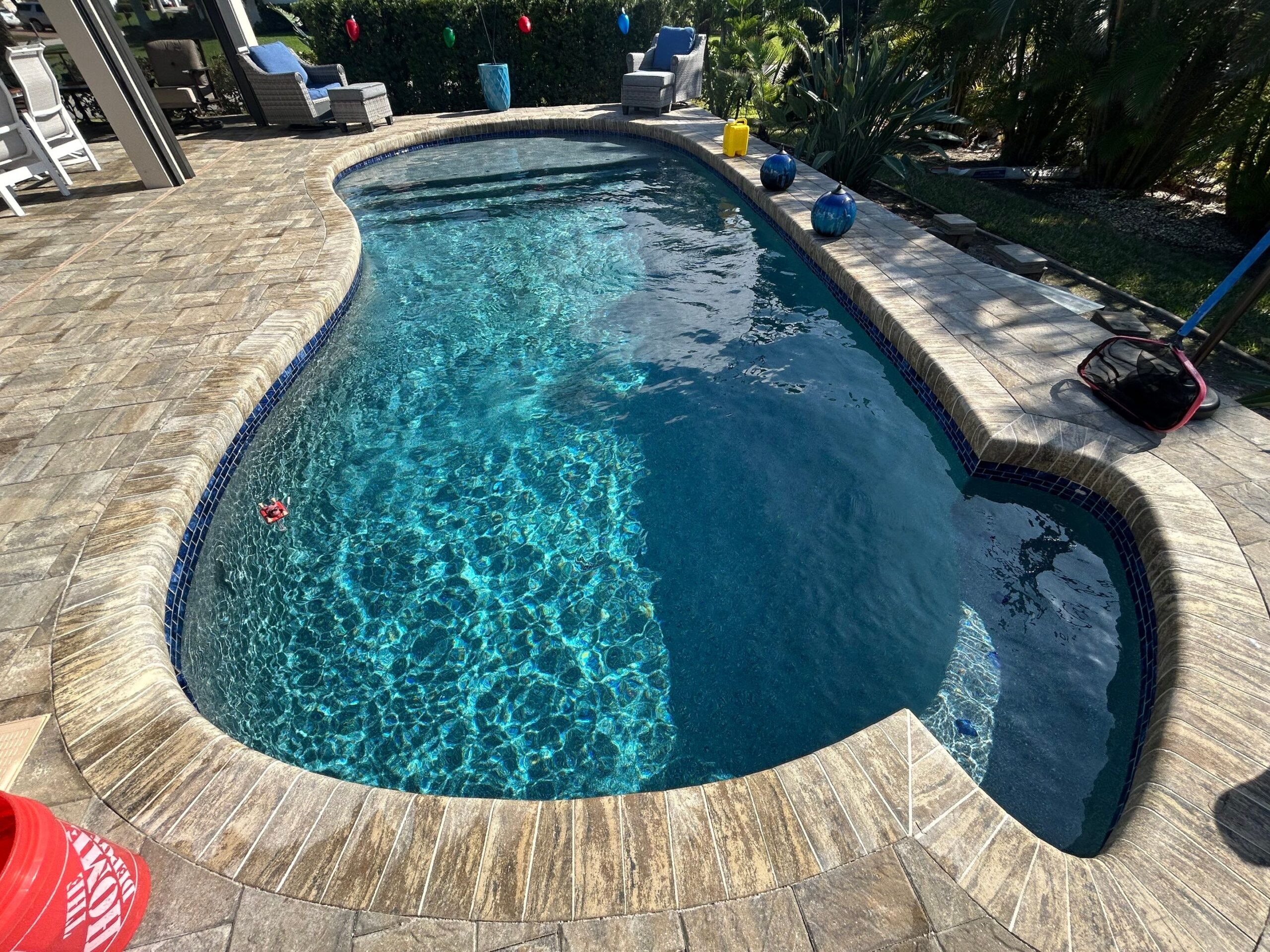
How Long Does Pool Resurfacing Last in Florida?
Florida heat, UV exposure, and year-round use affect how long pool resurfacing lasts. Learn what determines lifespan, when to resurface, and how to protect your investment.
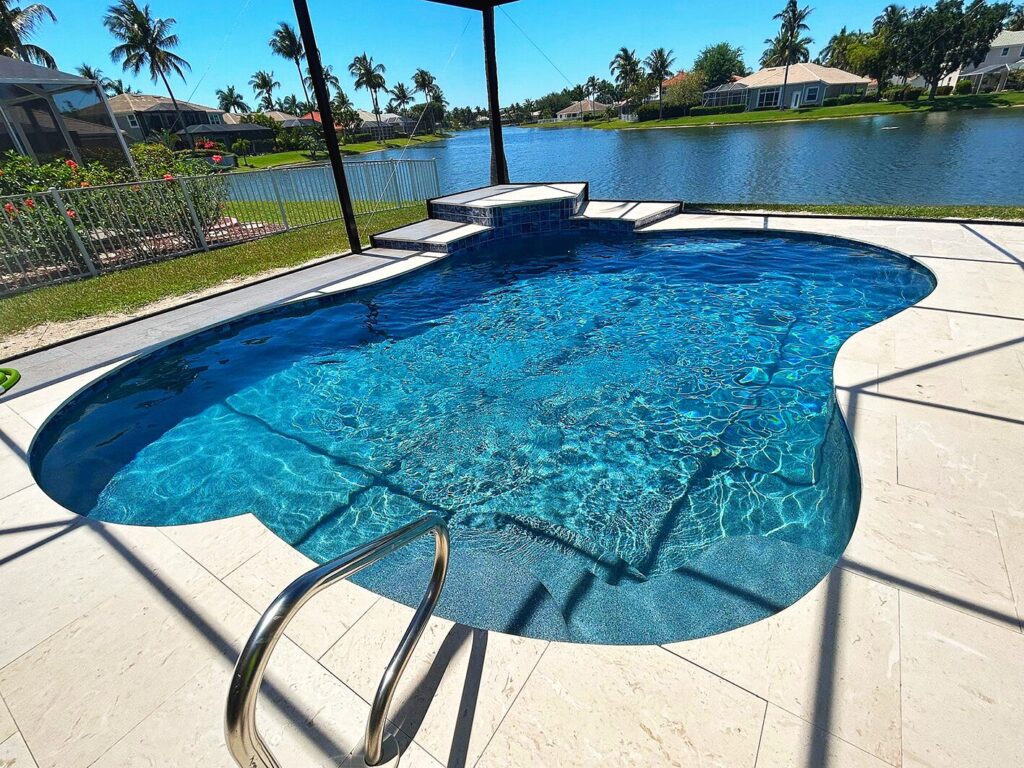
How Long Does Pool Resurfacing Last in Florida?
Having your pool resurfaced is a big deal for any Florida homeowner. It’s a significant investment in your backyard oasis, and for good reason. Your pool’s surface isn’t just about good looks; it’s the protective layer for the shell, keeps the water where it should be, and makes every swim enjoyable.
When that surface starts to show its age, feeling rough underfoot, stained beyond cleaning, or cracking at the edges, a full pool resurfacing is often the best solution.
But before jumping in, most homeowners have one main question: How long will this really last?
Honestly, it depends. And in Florida, it depends even more than in most other places. The intense sunshine, scorching heat, constant year-round use, and the high humidity of our subtropical climate put a lot more stress on pool surfaces than what homeowners in other states ever must deal with.
Understanding what impacts the lifespan of your pool’s surface can help you make smarter choices about materials, timing, and what to expect from your investment.
What Affects How Long Pool Resurfacing Lasts
No two pools age exactly alike, and Florida just adds another layer of complexity, making lifespan predictions a bit trickier. Several factors combine to determine how long a newly resurfaced pool will hold up.
Surface Material
The finish you choose is the single biggest factor in how long your pool restoration lasts. Traditional white plaster, while budget-friendly, tends to be the most vulnerable to Florida’s harsh conditions. It can start showing wear and tear in as little as five to seven years, especially with high UV exposure, heavy use, and inconsistent water chemistry.
Quartz and aggregate finishes are much tougher. These materials are denser, more resistant to etching and staining, and better equipped to handle the chemical and environmental demands of owning a pool in Florida. A high-quality quartz or pebble-style finish can realistically last fifteen years or even longer if maintained properly.
Water Chemistry
This is where many pool surfaces give out prematurely. Water that’s too acidic slowly eats away at the plaster. Water that’s too alkaline leads to scaling and buildup, which can be just as damaging. In Florida, balancing your pool chemistry is a year-round commitment. Pools that aren’t regularly balanced will show the neglect on their surface long before the finish reaches its natural end.
Sun and Heat Exposure
Florida pools soak up more UV radiation than pools in most other climates. This constant sun exposure breaks down surface materials over time, fades the color in tinted finishes, and speeds up the degradation that eventually leads to a rough, porous texture. Pools that are in full sun all day with no shade will definitely age faster than those with some protection during peak hours.
Use Patterns
A Florida pool that’s enjoyed twelve months a year will experience more wear and tear than one used only seasonally. High bather loads, frequent swimmers, and constant chemical exposure all contribute to how quickly the surface shows its age. Pools in busy family backyards often see surface wear sooner than those used less frequently.
Quality of the Original Installation
How the previous surface was applied really matters. A pool resurfacing job done without proper preparation, with cheap materials, or by a crew that cuts corners during the chip-out and bonding process won’t last as long as one done correctly. The groundwork beneath the finish directly impacts how well that finish performs over time.
Typical Lifespan by Surface Type in Florida
Here’s a general idea of what Florida homeowners can expect from common pool resurfacing materials:
- White plaster: 5 to 7 years in Florida conditions, sometimes shorter with heavy use or inconsistent chemistry.
- Quartz finishes: 10 to 15 years with proper maintenance.
- Pebble and aggregate finishes (like Stonescapes, Wet Edge pebble): 15 to 20 years or even more under ideal conditions.
These estimates assume consistent water balancing, routine maintenance, and no major structural problems beneath the surface. If any of those variables are neglected, the surface can start showing significant wear much sooner.
It’s also worth noting that lifespan and appearance lifespan are two different things. A plaster surface might remain structurally sound beyond seven years but still look rough, stained, or simply dated. For homeowners who care about the look and feel of their pool, the decision to resurface often comes before the surface technically fails.
Signs Your Pool Surface Is Ready for a Makeover
While knowing the general lifespan ranges is helpful, your pool itself will usually give you clearer signals when pool replastering or resurfacing is overdue. Look out for these warning signs:
- A rough or abrasive texture under your feet, even after cleaning and balancing the water.
- Stains that just won’t budge, no matter how much you scrub or treat them.
- Visible pitting, etching, or small hollow spots in the surface.
- Cracks running across the plaster layer.
- Flaking or peeling of the finish material in the water.
- Surfaces that feel sharp along steps or ledges.
- A color or tone that’s faded significantly from what was originally installed.
Some of these signs point to cosmetic wear, while others indicate that the surface has started to break down structurally. Structural breakdown can speed up water loss, increase the number of chemicals you need, and create problems that become harder and more expensive to fix the longer they’re ignored.
It’s also important to understand the difference between surface wear and actual structural damage before starting a pool restoration project. If you’re dealing with cracks or significant water loss, the conversation moves beyond just resurfacing. You can learn more about when patching the plaster layer is an option and when it’s not in our related article, Can You Repair Pool Plaster Without Resurfacing?.
How Florida’s Climate Shortens the Timeline
Florida pool owners are genuinely dealing with conditions that accelerate surface wear compared to national averages. The specific combination of factors at play here doesn’t exist in the same way in most other states.
- Year-round UV exposure means pool surfaces never get a break. Unlike colder climates, where pools are covered and unused for months, Florida pools soak up the sun every single day. That constant exposure breaks down surface materials and contributes to fading, oxidation, and surface porosity over time.
- Heat speeds up chemical evaporation and increases how quickly pool water loses its balance. Pools in Florida need more frequent monitoring and adjustments, and when that doesn’t happen consistently, the surface pays the price. The University of Florida’s IFAS Extension offers guidance on water quality management that’s worth bookmarking for any Florida pool owner.
- Heavy rain cycles dilute chemistry rapidly, especially during Florida’s rainy season from late spring through early fall. A big rainstorm can throw your water balance off overnight. Homeowners who don’t retest and adjust after heavy rain are often unknowingly accelerating surface wear with unbalanced water.
- Coastal areas bring an added challenge. Salty air in communities near the Gulf or Atlantic coast contributes to surface staining and can also affect pool equipment and surrounding materials.
None of this means pool resurfacing in Florida is a bad investment. It simply means that choosing the right material for our climate matters more here than it does elsewhere, and your maintenance habits have a more direct impact on how long pool resurfacing lasts.
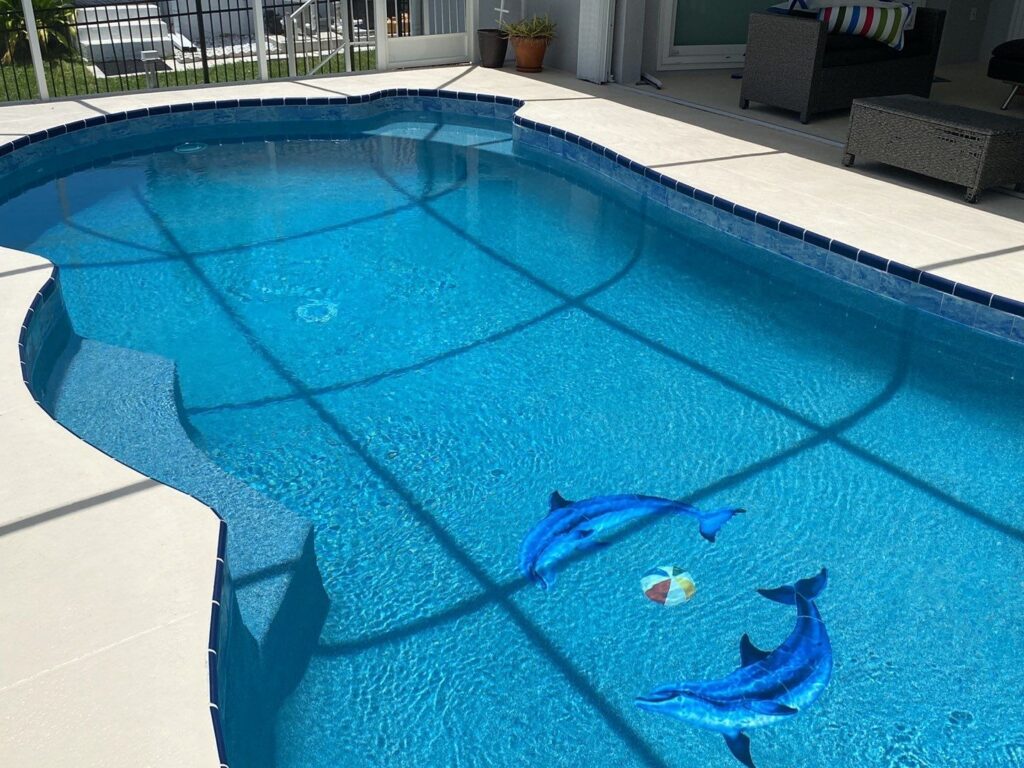
Making Your Pool Resurfacing Last as Long as Possible
While the material does most of the heavy lifting, your maintenance habits determine whether a finish rated for fifteen years actually makes it that long or starts showing significant wear after ten. A few practices can make a meaningful difference:
- Test your water chemistry weekly during heavy use periods and at least every two weeks during the off-season.
- Keep your pH consistently between 7.4 and 7.6.
- Maintain appropriate calcium hardness levels to prevent etching in softer water or scaling in harder water.
- Brush the pool surface weekly, especially during the first several months after a new finish is applied.
- Re-test and rebalance your water after heavy rain or significant splash-out.
- Address any concerns about water loss promptly, as water sitting at abnormal levels can expose surfaces and stress the pool shell.
Investing in a quality finish from the start and committing to consistent maintenance is the most reliable way to get the full lifespan out of your pool resurfacing cost investment.
When Resurfacing Is Part of a Larger Restoration
For many homeowners, pool resurfacing doesn’t happen in isolation. By the time a surface needs replacing, other parts of the pool are often showing their age too. This could include tile and coping that have shifted, cracked, or simply look dated, or a deck that feels rough underfoot or has pulled away from the coping edge. Even equipment might be inefficient, noisy, or no longer reliable.
Doing the resurfacing work but leaving aging coping in place can create a visual mismatch and potentially structural problems down the road. Understanding when coping repair is enough and when full replacement makes more sense is an important part of the planning process.
Resurrection Pools views resurfacing as just one piece of a complete pool restoration. When the full scope of a pool’s condition is assessed together, the restoration plan truly reflects what the pool needs, not just the most visible symptom.
Planning a Pool, You’re Proud Of
Pool resurfacing isn’t a permanent fix, but with the right material, a qualified team, and consistent maintenance, it can be a long-lasting one. In Florida, realistic expectations are key.
Choosing a surface that can handle our climate, understanding what maintenance looks like after the work is done, and addressing the full scope of your pool’s needs will make a bigger difference than any single decision along the way.
If your pool surface feels rough, looks stained, or is showing signs that it’s run its course, the best next step is a conversation with a restoration team that can evaluate the whole picture and give you a clear plan.
Resurrection Pools specializes in comprehensive pool restoration across Port Charlotte, Tampa Bay, and the surrounding areas of Florida. If your pool needs resurfacing or a more complete restoration, our team can help you understand what’s going on, recommend the right materials for your situation, and explain exactly what the project will involve.
Schedule a free pool restoration estimate today. Contact Resurrection Pools and tell us what’s happening with your pool.