



Pool Coping Repair vs. Replacement: What’s the Difference?
The coping around your pool isn’t just a fancy edge. It’s like the crown on your pool, protecting the shell underneath, making a clear line between the pool and the deck, and really setting the mood for your whole backyard. When you start seeing cracks, shifting, or crumbling, most homeowners wonder the same thing: Can we just fix this, or does it need a total overhaul?
Honestly, the pool coping repair vs replacement decision all comes down to what’s really going on beneath the surface. Sometimes, a pool coping repair is exactly what’s needed. Other times, trying to patch things up just delays a bigger, more expensive problem. Knowing the difference helps you make a smarter choice, protect your investment, and avoid paying for the same fix twice.
What Does Pool Coping Even Do?
Before we get into fixing or replacing, let’s quickly talk about why pool coping is there in the first place.
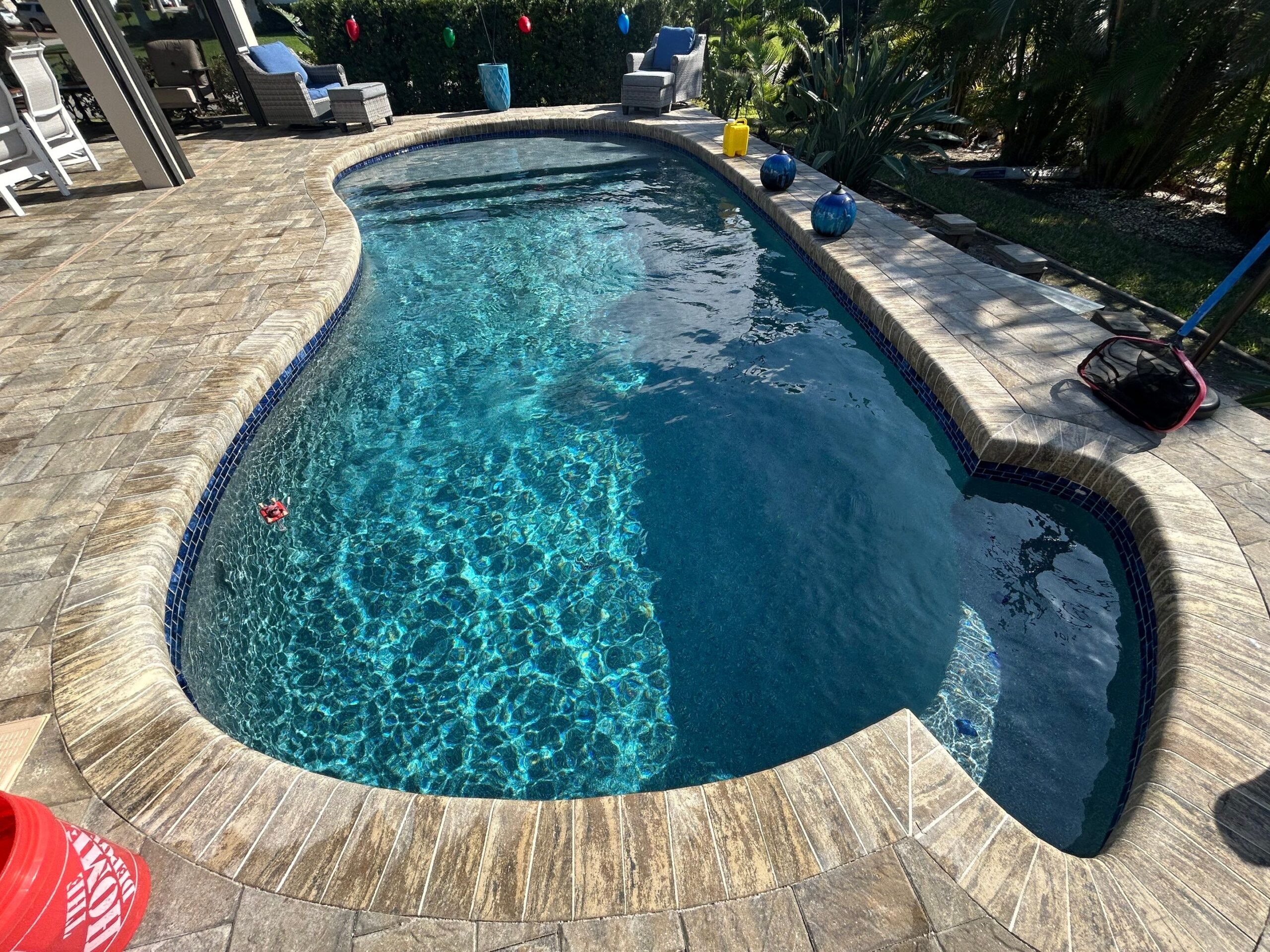
Coping is the material installed right on the top edge of your pool shell, usually where the water meets the surrounding deck. Think of it as a protective cap for the bond beam, which is the strong concrete structure that runs along the top of your pool. Besides looking good, it does a few important things.
It helps push water away from the pool shell and toward your deck’s drains. It gives swimmers a smooth, safe edge to grab when they get in or out. And visually, it connects the inside of your pool to the rest of your outdoor space. When this coping starts to fail, all these key functions get messed up.
You’ll find coping made from materials like concrete, travertine, limestone, brick, and pavers. Each one has its own quirks in terms of how durable it is. How long it lasts really depends on how well it was installed initially, the condition of the pool shell underneath, and how Florida’s weather has treated it over the years.
Signs Your Pool Coping Is Crying for Help
Most folks notice coping problems when they become super obvious. But by the time you can easily see cracks or gaps, the issue has usually been brewing for a while.
- Cracks running through individual pieces. Small, thin cracks might just be cosmetic. But deeper cracks, ones that get wider or show up in several places, usually point to movement or settling happening underneath.
- Gaps between the coping and the pool shell. If you see a clear space opening between the coping and the top of the pool wall, it usually means the glue holding it together has broken, or the structure underneath has shifted. Water getting into that gap can cause bigger headaches, especially with all our Florida rain.
- Lifting or uneven pieces. Coping that popped up on one side, tilts, or just isn’t sitting flat anymore, is often reacting to the soil moving beneath your pool deck. Florida’s ground, especially around places like Port Charlotte and Tampa Bay, loves to settle and shift, particularly after heavy rains and storms. The University of Florida’s IFAS Extension has published resources on how Florida’s soil conditions and weather cycles affect residential structures and outdoor installations.
- Loose or missing grout. The spaces between your coping pieces are sealed with mortar or grout. When that stuff wears away or falls out, water gets in and speeds up the damage.
- Flaking or crumbling surfaces. If the material itself is chipping, flaking, or breaking apart on the surface, it’s probably past the point where a simple patch job will help.
- Stains that won’t come out. Deep stains, especially near cracks, can mean water is seeping through the coping and leaving mineral deposits over time.
When Pool Coping Repair Makes Sense
Pool coping repair is a smart choice in very specific, limited situations. If the damage is only on one or two pieces, the strong bond beam beneath the coping is still in good shape, and the rest of the coping is stable, then replacing just those few pieces or re-grouting damaged areas can give what’s there a longer life.
Repair also makes sense if the coping material itself looks pretty good, but the grout lines are falling apart. “Repointing” the joints, which means removing the old mortar and putting in fresh stuff, can prevent water from getting in without needing a full tear-down.
What repair doesn’t fix is underlying movement in the ground, widespread damage, or coping that’s shifted because the main support beam itself is compromised. Patching individual pieces while ignoring the real cause is just a temporary band-aid.
When Full Pool Coping Replacement Is the Better Option
Pool coping replacement becomes the right answer when the problems are widespread, structural, or connected to the condition of that bond beam or the pool shell itself. If you’re seeing cracks and gaps all over the place, if pieces are lifting or shifting because the ground beneath them has moved, or if the material itself is really falling apart, replacement gives you a clean slate and a result that lasts.
There’s another practical thing to keep in mind. When a pool is getting resurfaced or undergoing a bigger restoration, replacing worn coping at the same time just makes way more sense than keeping old coping next to brand-new interior finishes. The difference in looks alone is an issue, but more importantly, coping that’s already showing wear will just keep deteriorating while the rest of your pool looks and works better.
For homeowners planning a full restoration, replacing the coping often happens as part of the same big project, alongside new tile, updated decking, and interior resurfacing. Doing all these things together creates a more cohesive look and means you don’t have to tear things up a second time later.
If you’re curious about how long resurfacing and other restoration work hold up in Florida’s climate, our main article, How Long Does Pool Resurfacing Last in Florida?, dives deeper into what affects how long materials last and how to plan for durability for your whole pool.
Different Pool Coping Types and What They Mean for Your Decision
The material your coping is made from affects both how it breaks down and what your choices are for replacing it.
- Concrete coping is common in older pools. It’s durable but can crack as the pool shell moves over many years. You can patch concrete coping, but matching the color and texture is hard, and the repairs often stick out.
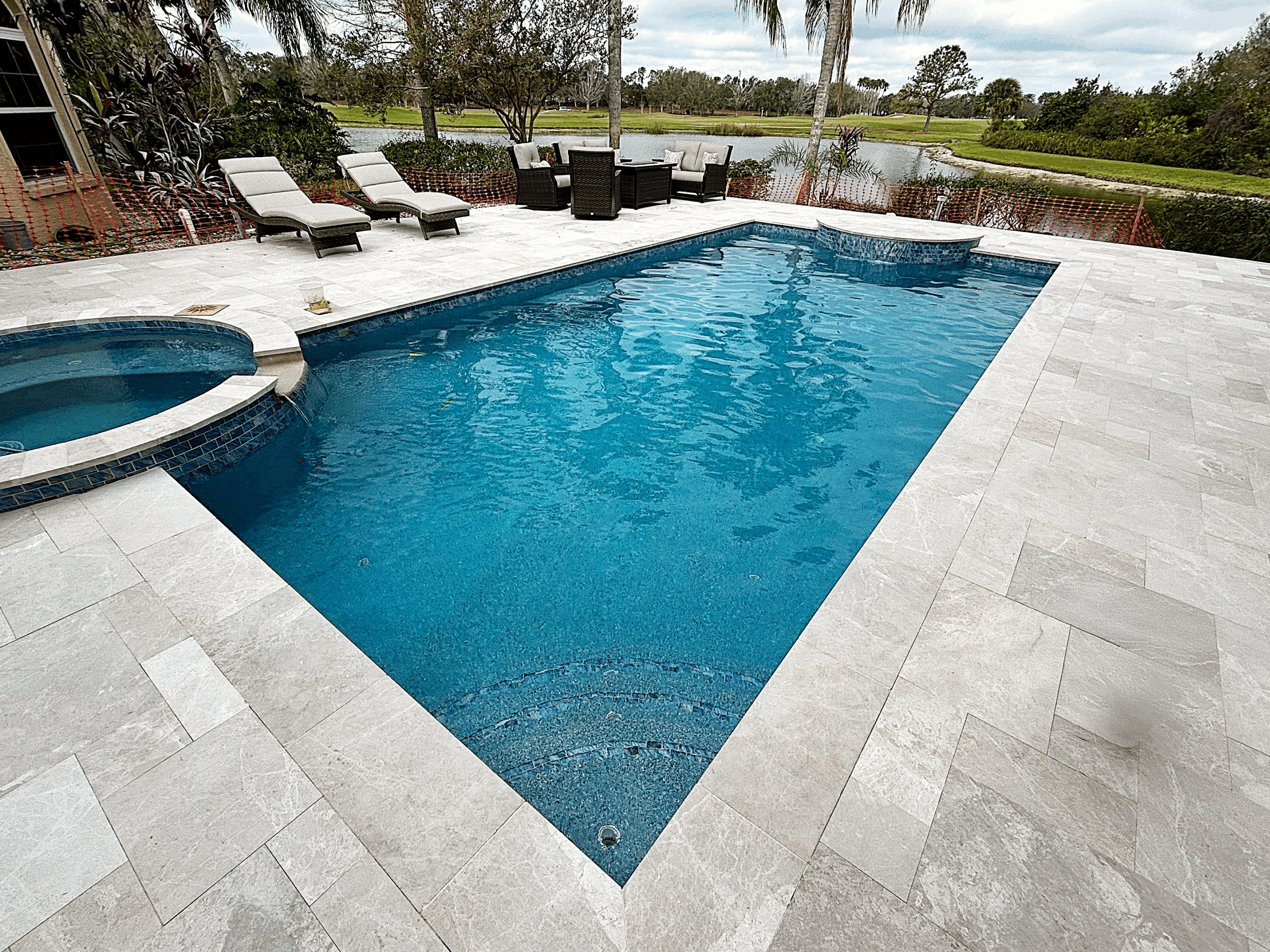
- Travertine and natural stone are popular in Florida pool designs because they stay cooler underfoot in the direct sun. Travertine is tough, but individual pieces can crack if the ground underneath them shifts. If you need to replace it, finding stone that perfectly matches what you already have can be tricky.
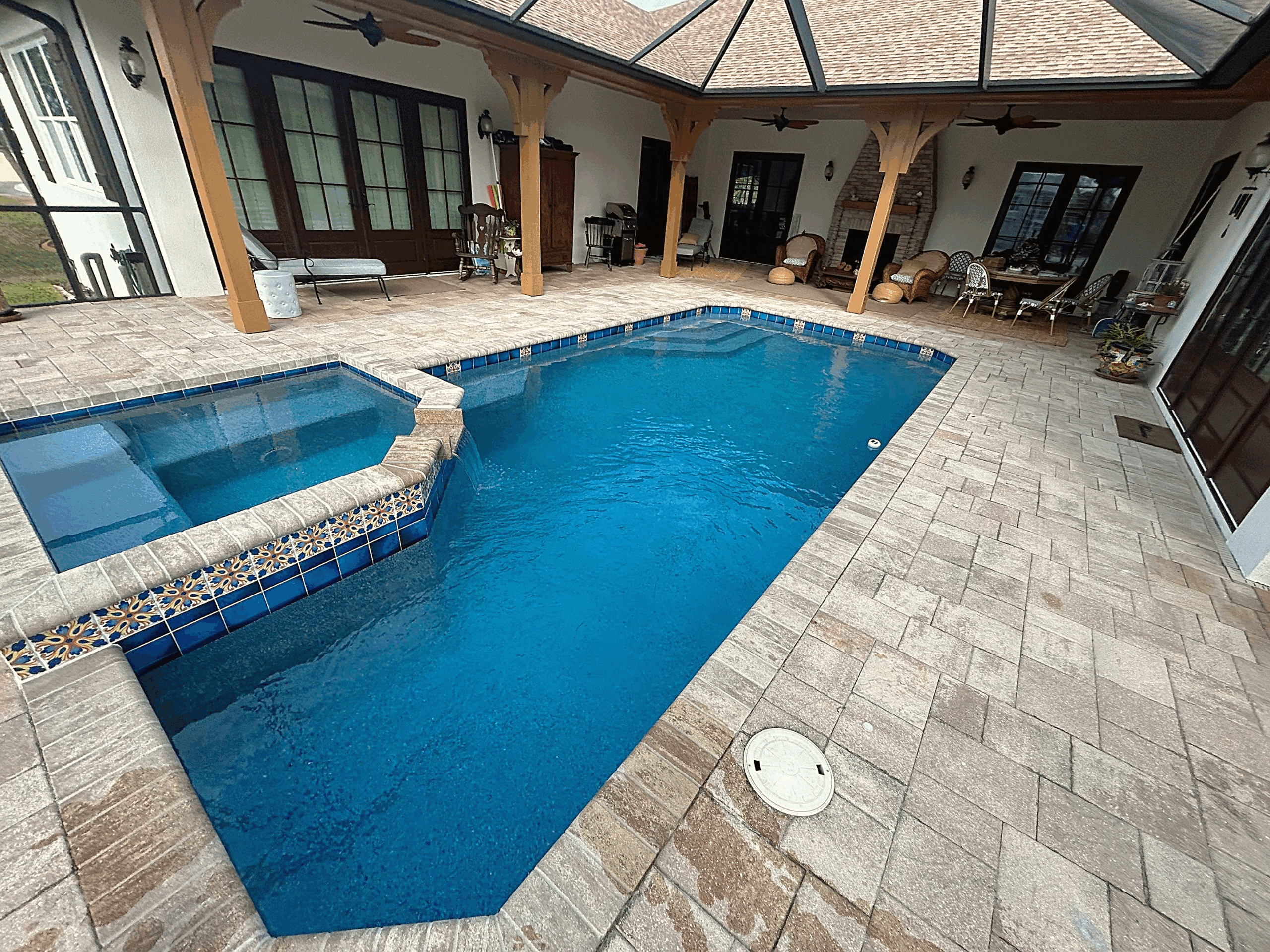
- Pavers offer a lot of flexibility because you can remove and replace individual pieces without disturbing all the coping. For pools with paver coping, targeted repairs are often more practical than with poured or mortared materials.
- Brick shows up on older pools and can be re-mortared or partially replaced. But if it’s really falling apart everywhere, a full replacement and an upgrade to a more modern material is usually the better call.
Understanding how your coping material, the deck, and the pool shell all connect is a big part of figuring out the right plan for a proper restoration. Tile, coping, and deck elements all work together visually and structurally, so decisions about one often impact the others during a pool deck and coping resurfacing project. At Resurrection Pools, we look at these decisions as part of the complete picture, not just isolated tasks.
The Link Between Coping and Pool Plaster
Coping and your pool’s interior plaster are more connected than most homeowners realize. The bond beam that the coping sits on is also where the interior plaster finish ends. When the coping is damaged or has moved, water can travel along that bond beam and contribute to plaster damage near the waterline.
If you’re already seeing cracks, stains, or rough spots in your pool’s interior surface, it’s smart to check if the coping directly above that area is also damaged. These two problems are often related.
What a Full Restoration Looks Like When Coping Is Involved
When Resurrection Pools checks out a pool for restoration, coping is always part of the conversation. The condition of the coping, the bond beam beneath it, and the deck around it all help us figure out the right amount of work before we even pick out finishes.
If coping replacement is needed, it usually happens early in the project before we do the resurfacing and tile work. We inspect the bond beam, make any necessary structural repairs, and then set new coping on a solid, prepared foundation. From there, the tile and deck work get done, and then the interior resurfacing follows.
The result is a pool that looks and functions beautifully together, where every visible part was updated with the same attention to quality and craftsmanship. That kind of comprehensive approach is the difference between a real restoration and a bunch of quick patches.
Questions to Ask Before You Make a Decision
Before you move forward with either fixing or replacing, here are a few questions worth thinking through:
- How bad is the damage? If cracks or gaps are just in a small spot, a repair might work. If it’s all over the place, replacement is likely the stronger choice.
- What’s the condition of the bond beam? Coping repairs won’t hold up if the bond beam underneath is weak. A proper assessment means looking at what the coping is actually sitting on, not just the coping itself.
- Is the pool already due for resurfacing or other major work? If the inside finish is also worn, or if the tile and deck need attention, doing all that work together gives better results and makes the whole project less disruptive.
- What kind of material do you want for the long haul? Repair means you’re stuck with what you have. Replacement opens the option to upgrade to travertine, stone, or pavers that perform better in Florida’s climate and match the look you want for your pool and outdoor space.
Pool Coping Repair vs Replacement Starts with an Honest Look
Coping is one of those parts of your pool that does a lot of important work behind the scenes until something goes wrong. At that point, deciding between fixing and replacing isn’t just about how much it costs. It’s about whether you want a quick fix or a solid foundation that supports everything else you plan to do with your pool.
At Resurrection Pools, we start every pool restoration by looking at the whole picture first. Whether that leads to a targeted pool coping repair, a complete replacement, or a bigger restoration, our goal is always the same: a pool that looks fantastic, holds up well, and gives you something you can truly enjoy.
If your coping is showing signs of wear or you’re already thinking about what a full restoration might look like, our pool resurfacing page is a great place to start.
Go ahead and request your free pool restoration estimate, and let Resurrection Pools help you understand exactly what your pool needs and what the right next step looks like.